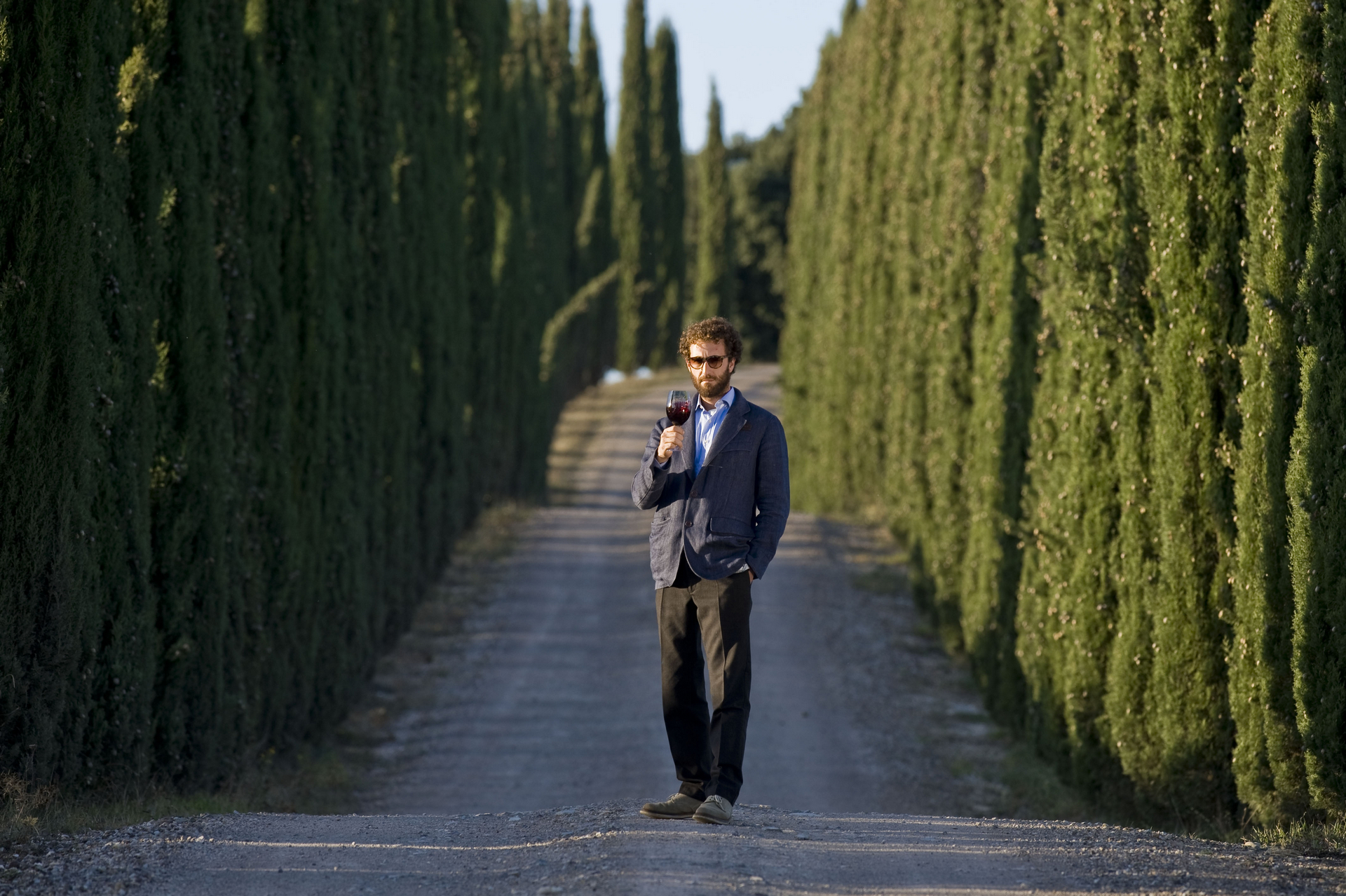
THE HISTORY OF CASTELLO ROMITORIO

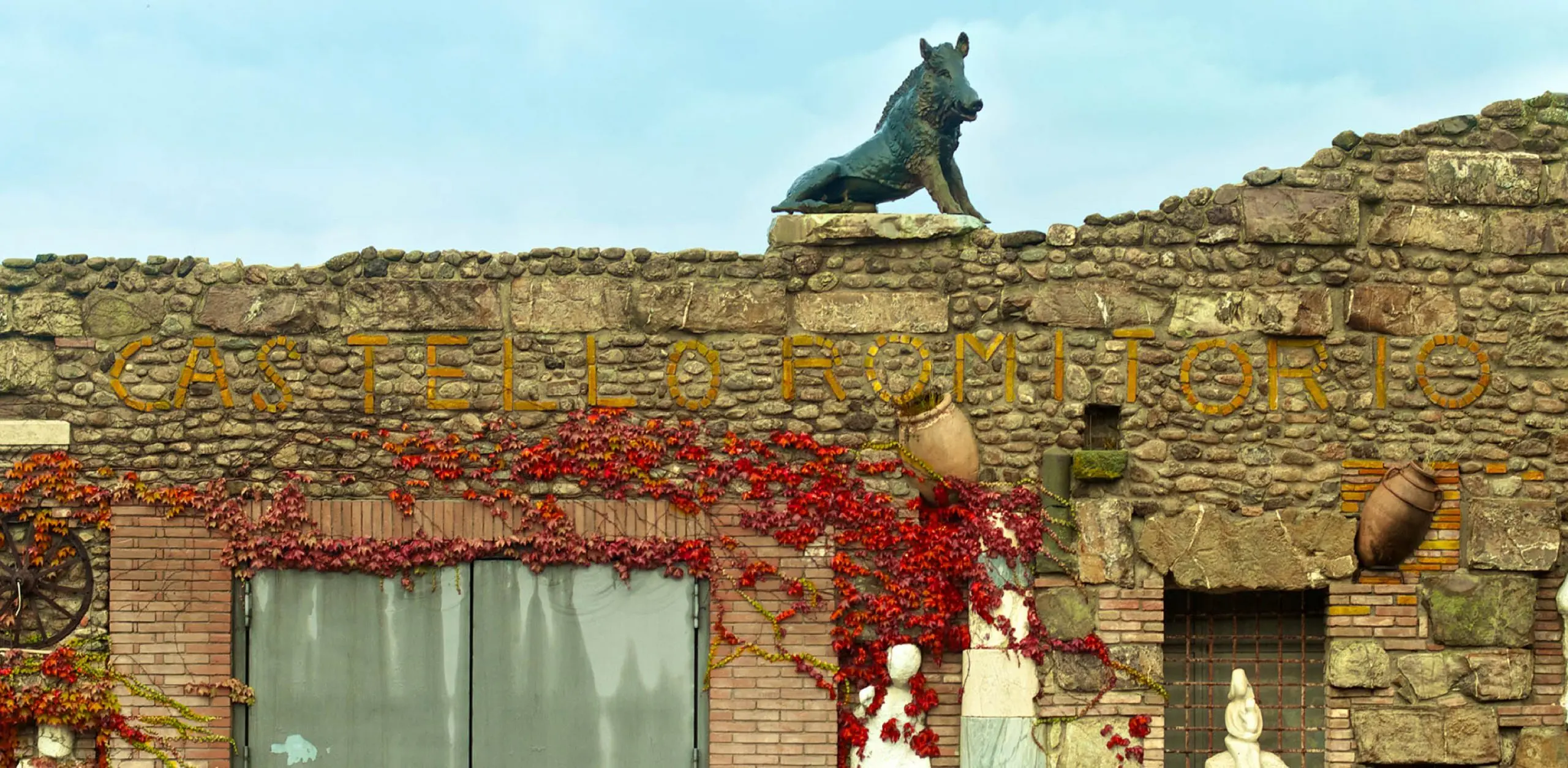
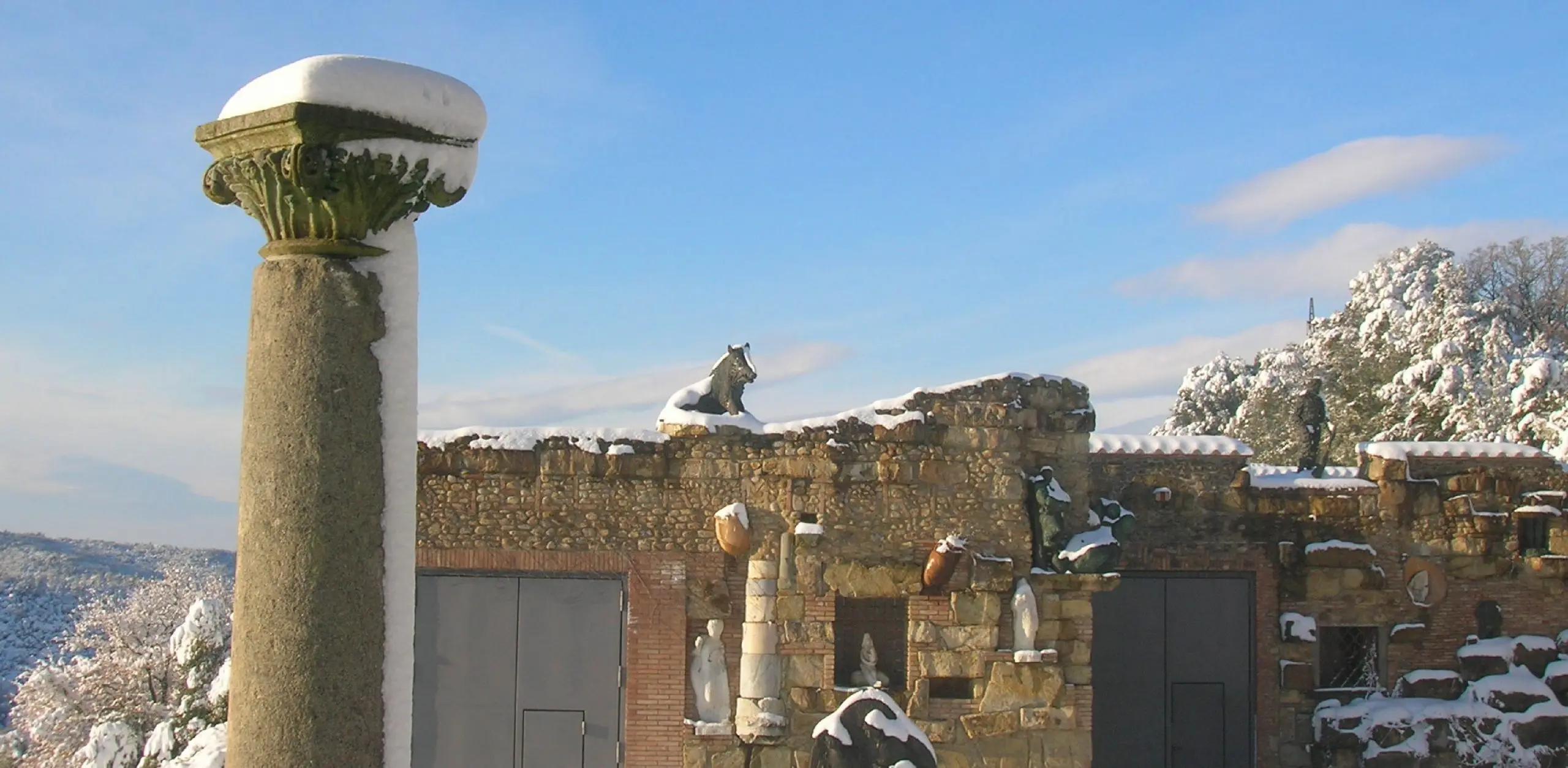
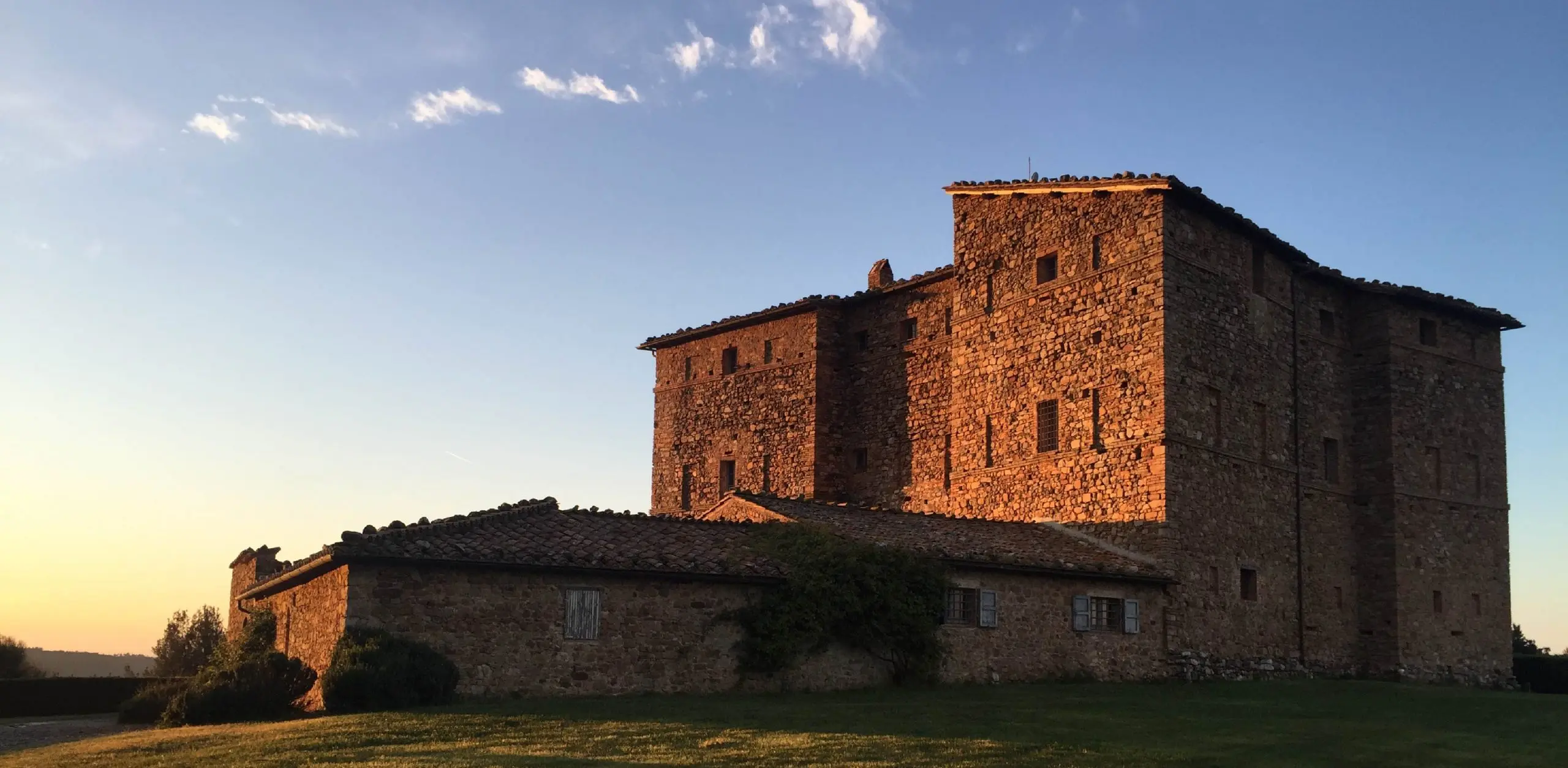
Temple, fortress, monastery. Then castle, stately mansion, refuge for shepherds and their flock, and finally art workshop and store. From the Etruscans, one of the first organized societies, to the Roman era, when the foundations of civilization were laid. Castello Romitorio, Perhaps as a prison for deserter soldiers. Going through the turbulent years of the Middle Ages, where the castle was a monastery until the 12th century when Siena and Florence disputed it, and then it was fortified by its strategic position between trade routes.

Montalcino and the fortification complex of which Romitorio was a part were always proud of their freedom: in 1559, when the Medici surrendered, they represented the last free municipality in Italy. It is from this moment that they date the first testimonies Brunello's writings.

Restored as a stately home and patrician villa in the 19th century, Romitorio Castle was abandoned After World War II, it remained uninhabited for a long time, used as a hospice for shepherds and their flocks. the 1970s It became the property of Baron Giorgio Franchetti. Since he was unable to renovate the castle, he decided to sell it to the artist Sandro Chia in 1984, who transformed the former mansion into his own. artist residency and workshop. Along with the castle, Chía took charge of vineyards, oak forests and gerberas.
The objective was immediately clear: Romitorio could only shine again if, after the recovery of the Castle, its ancient vocation for viticulture was reestablished.

Castello Romitorio is a place where time has a physical and tangible dimension. Where wine thrives in history and history speaks of a thousand-year-old passion for this place, always suitable for wine production and always contested for its strategic importance as a trade and travel route.

The land, viticulture, and winemaking are committed to the revival of Brunello, a centuries-old wine capable of expressing, here alone, the most authentic potential of Sangiovese. Sandro Chia, with the support of Franco Martini – a Brunello di Montalcino expert and Cellar Master at Castello Romitorio – are at the forefront: they understand the importance of creating classic and representative wines, without fear of looking towards the future.

Castello Romitorio inaugurated its new winery in 2005. The 14th century mansion was adorned with the works of Sandro Chia, designed to combine modernity with a thousand years of history and antiquity. In the same year, Sandro's son, Filippo Chia, joined the project and began a process of profound renewal of the wines and the winemaking style, betting on the extremely elegant single-varietal: Sangiovese, to highlight the characteristics of the terroir.

After thirty years From working in the region, Castello Romitorio is now an internationally renowned winery, specializing in Sangiovese and Brunello di Montalcino. The Chia family's commitment ranges between tradition and the pursuit of excellence, classicism and innovation. The most demanding challenge is to be in an extraordinary territory and continue to offer wines of qualitative consistency and territorial expressiveness.

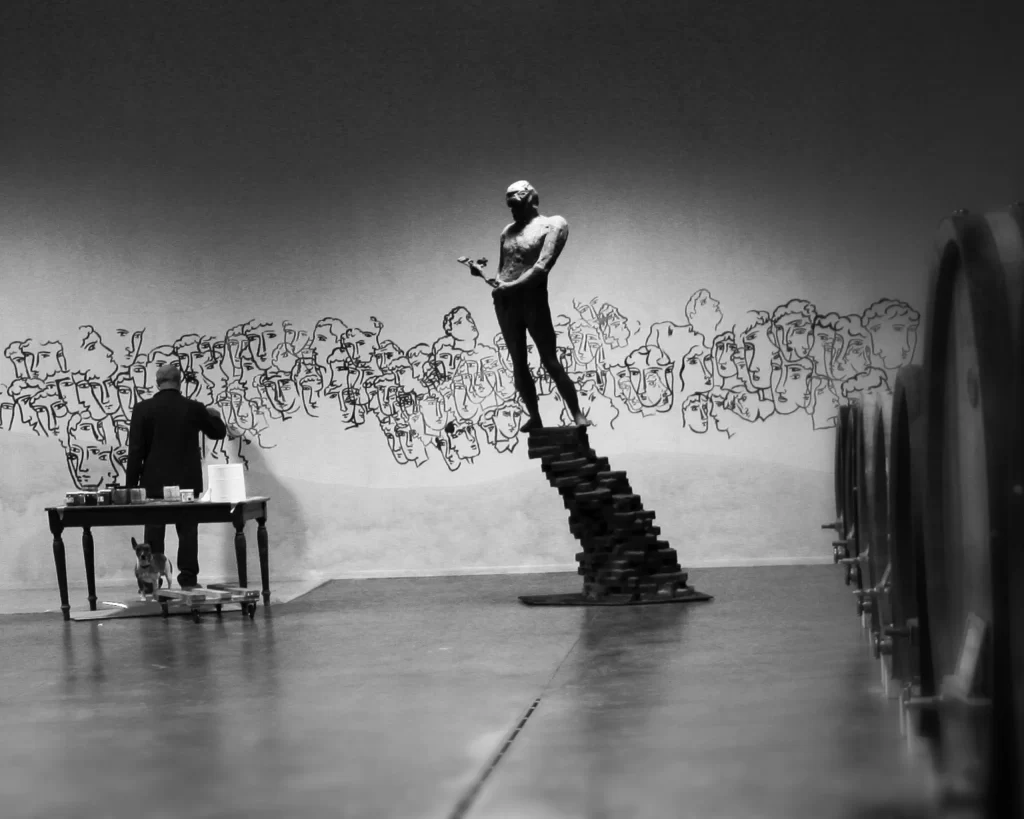
work in the warehouse

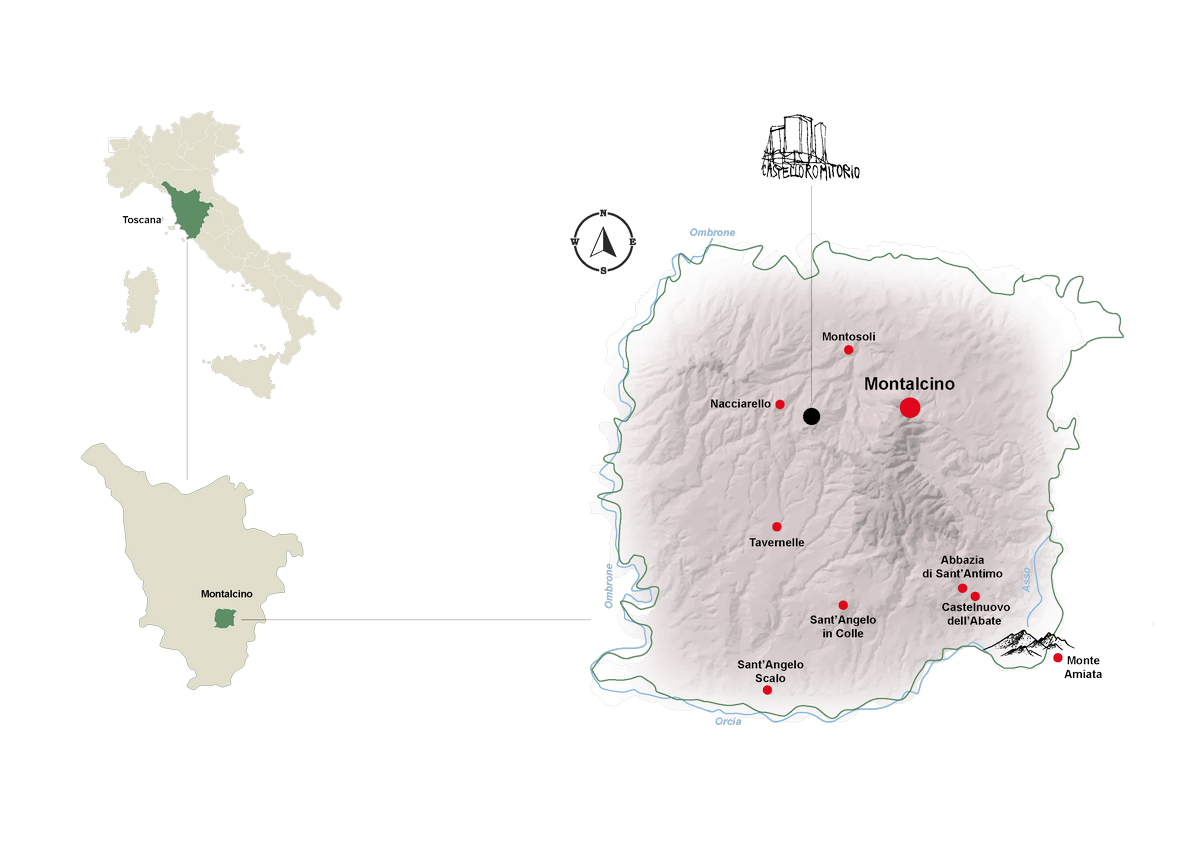
The Montalcino territory

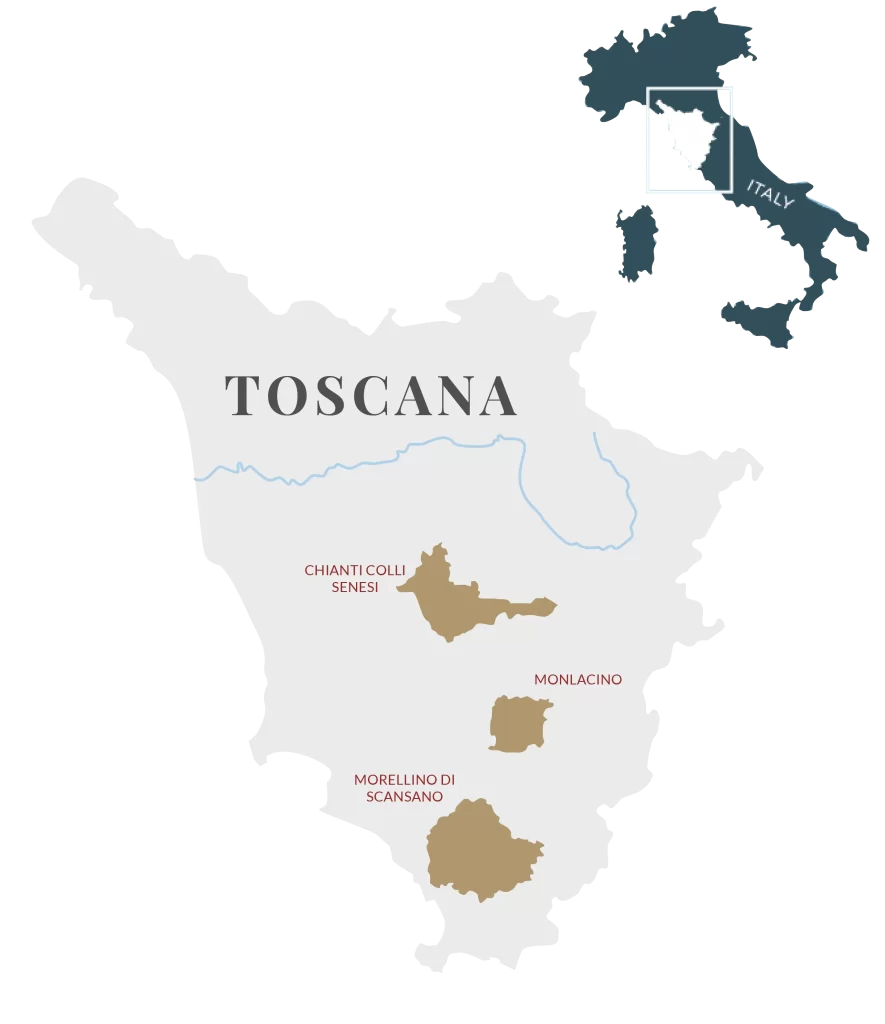
The city of Montalcino It is about 70 kilometers south of Florence, and has a warmer and drier climate than that of its neighbor, Chianti. The Sangiovese grape is queen here, as it is in Chianti, but Montalcino has its own clone called Brunello.

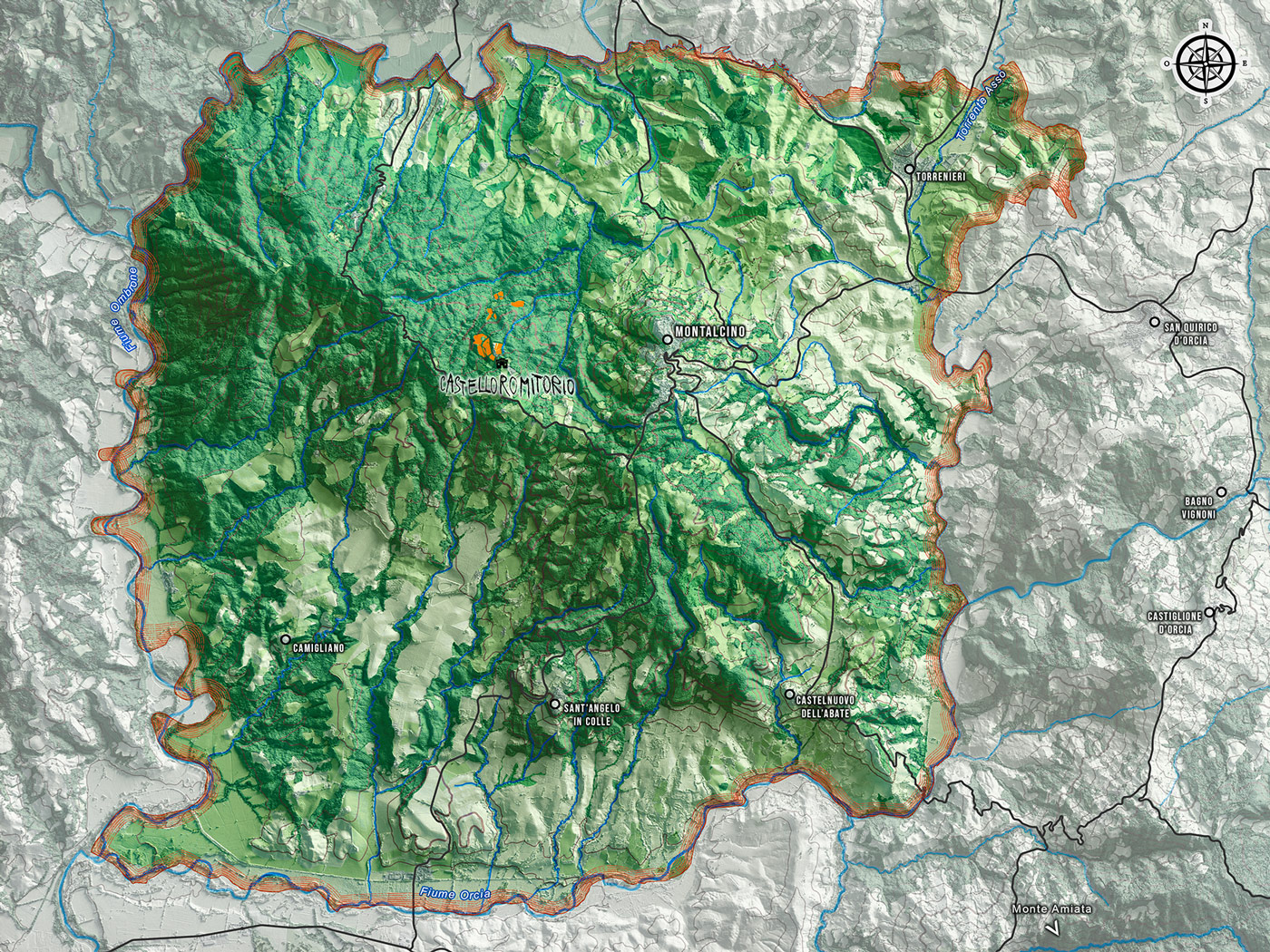
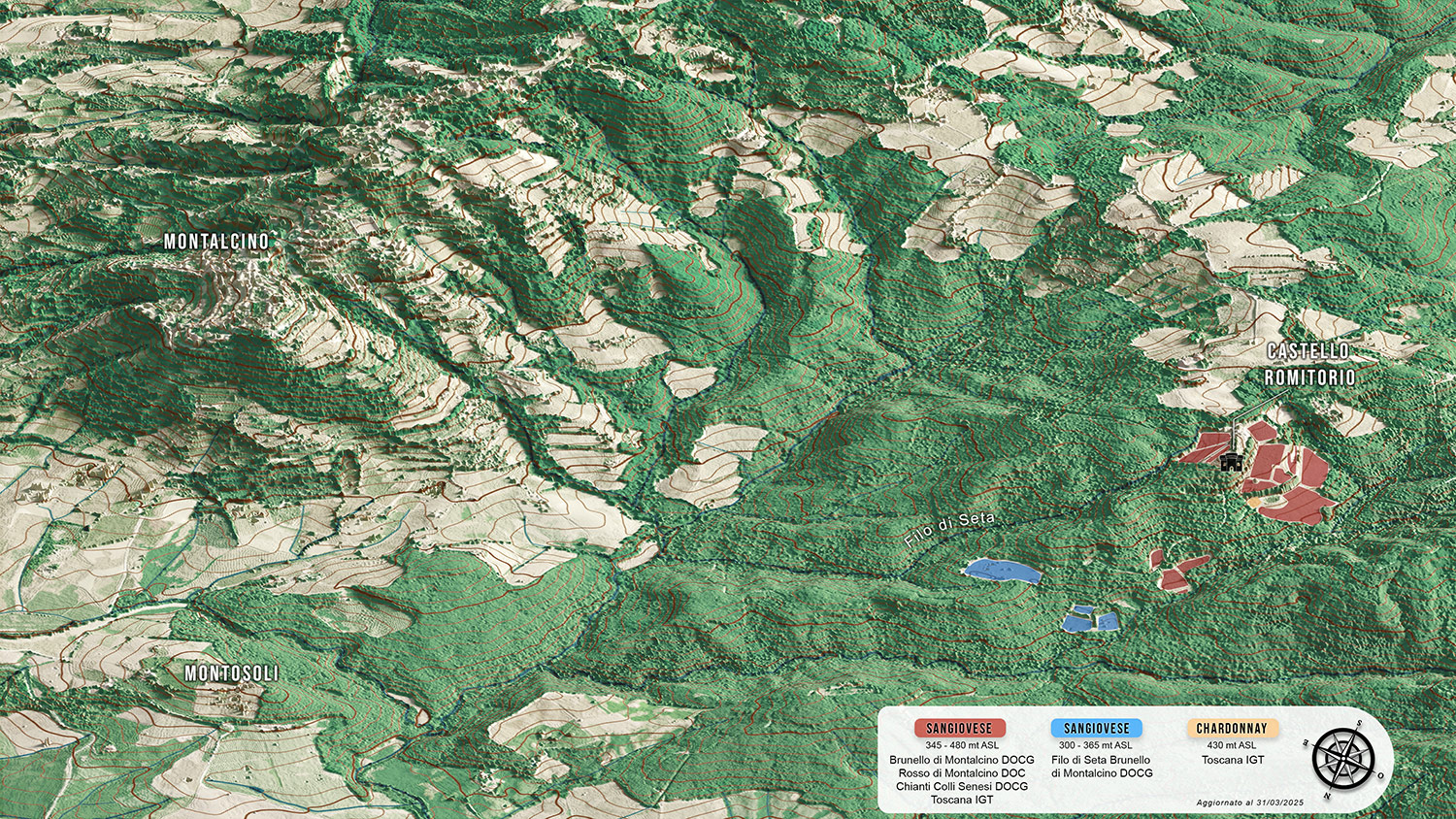
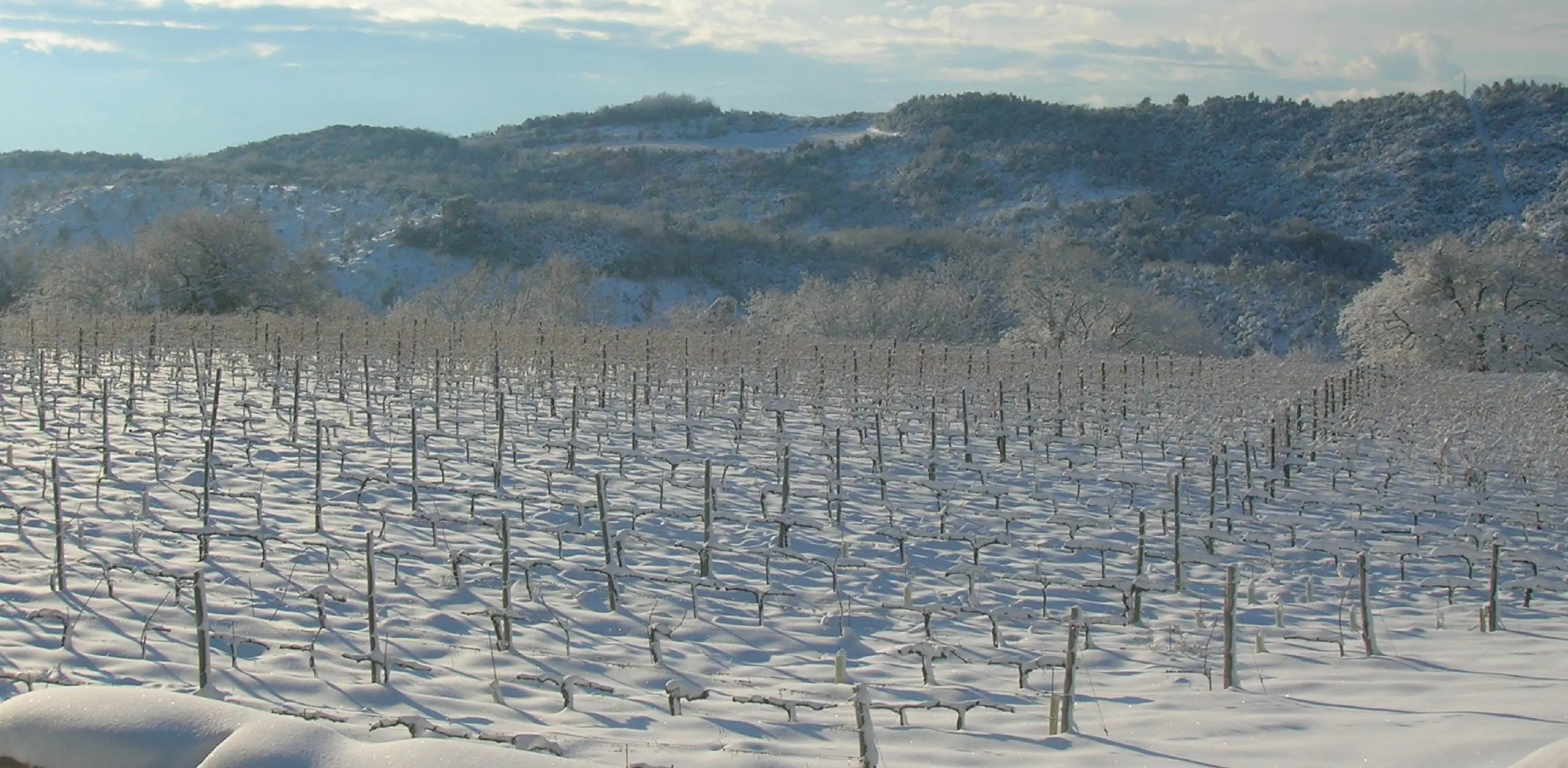
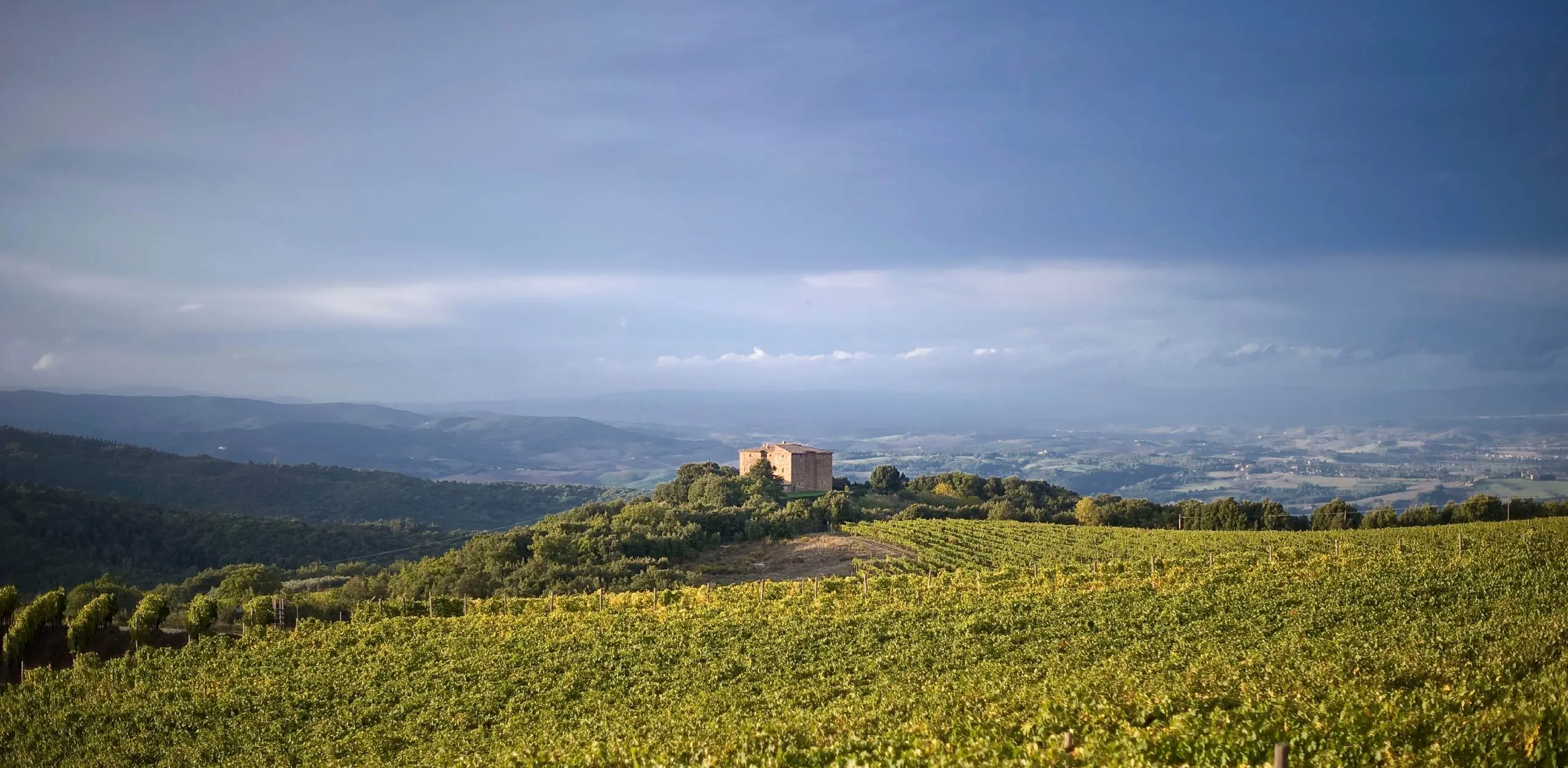
The vineyards of Romitorio, Abandoned for decades, they were bravely and foresightedly replanted by Sandro Chia in the second half of the 1980s. The Romitorio landscape, which few would have bet on, represented a absolutely wild area from Montalcino, and was characterized by a microclimate with less sunny slopes and, on average, more rigid temperatures than the rest of the appellation. Located in the northwest quadrant of Montalcinese, the vineyards of Romitorio rise around the Castle, in a mountain system that, descending from Monte Amiata towards Siena, runs parallel to the slopes of Montalcino. They are small plots of land immersed in hectares of virgin forests, interspersed with ponds and streams with crystal-clear water. An absolutely uncontaminated environment, characterized by soils of galestro, clay and alberese, from which fossils and shells emerge, evidence of an ancient coastal backdrop. The wines produced here are fresh and fruity., incredibly fragrant, with a moderate alcohol content and unparalleled finesse, with a saline note and a dynamic and vibrant character.

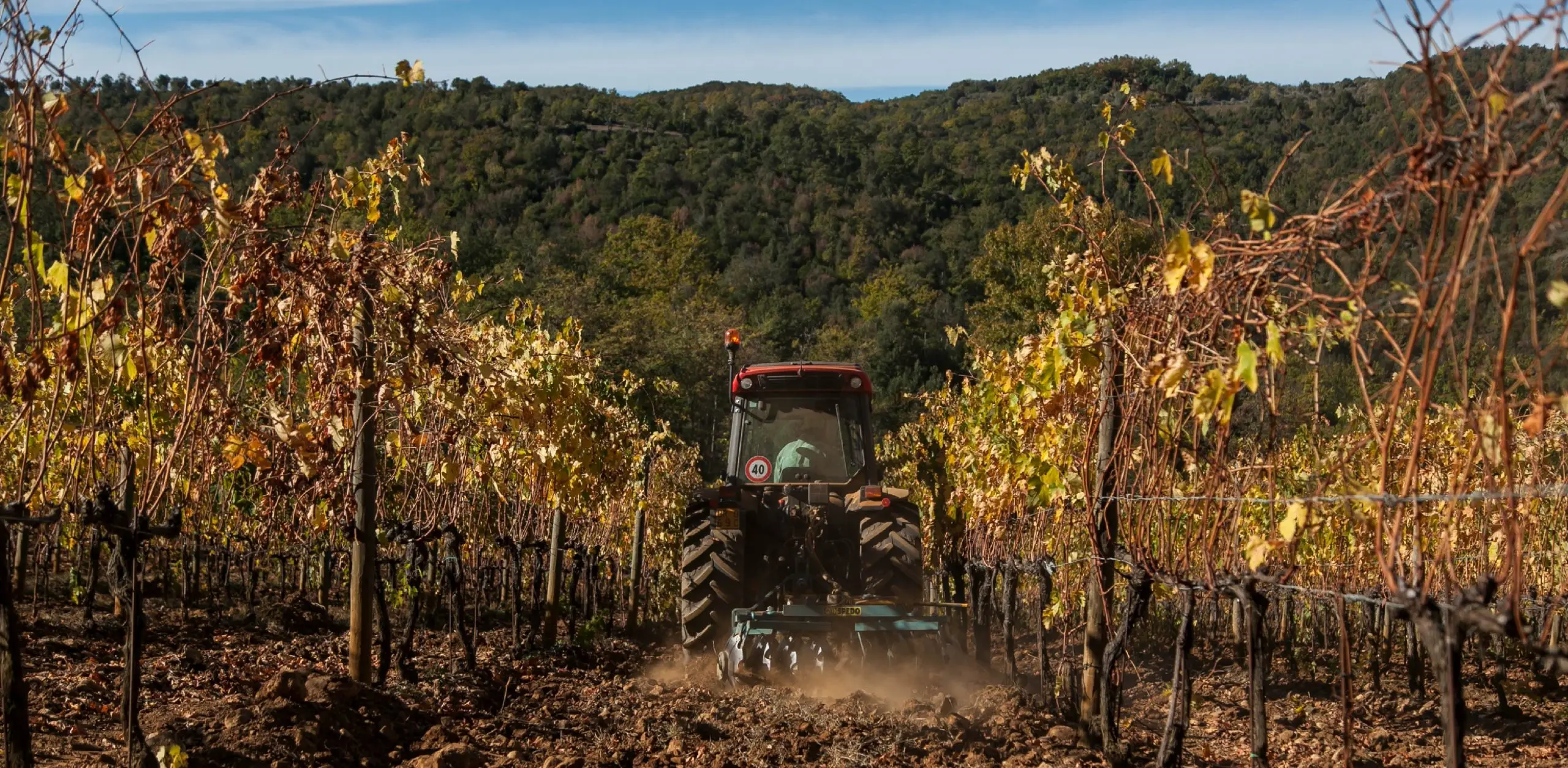
Integrity and selection guide the work in the Castello Romitorio vineyard.

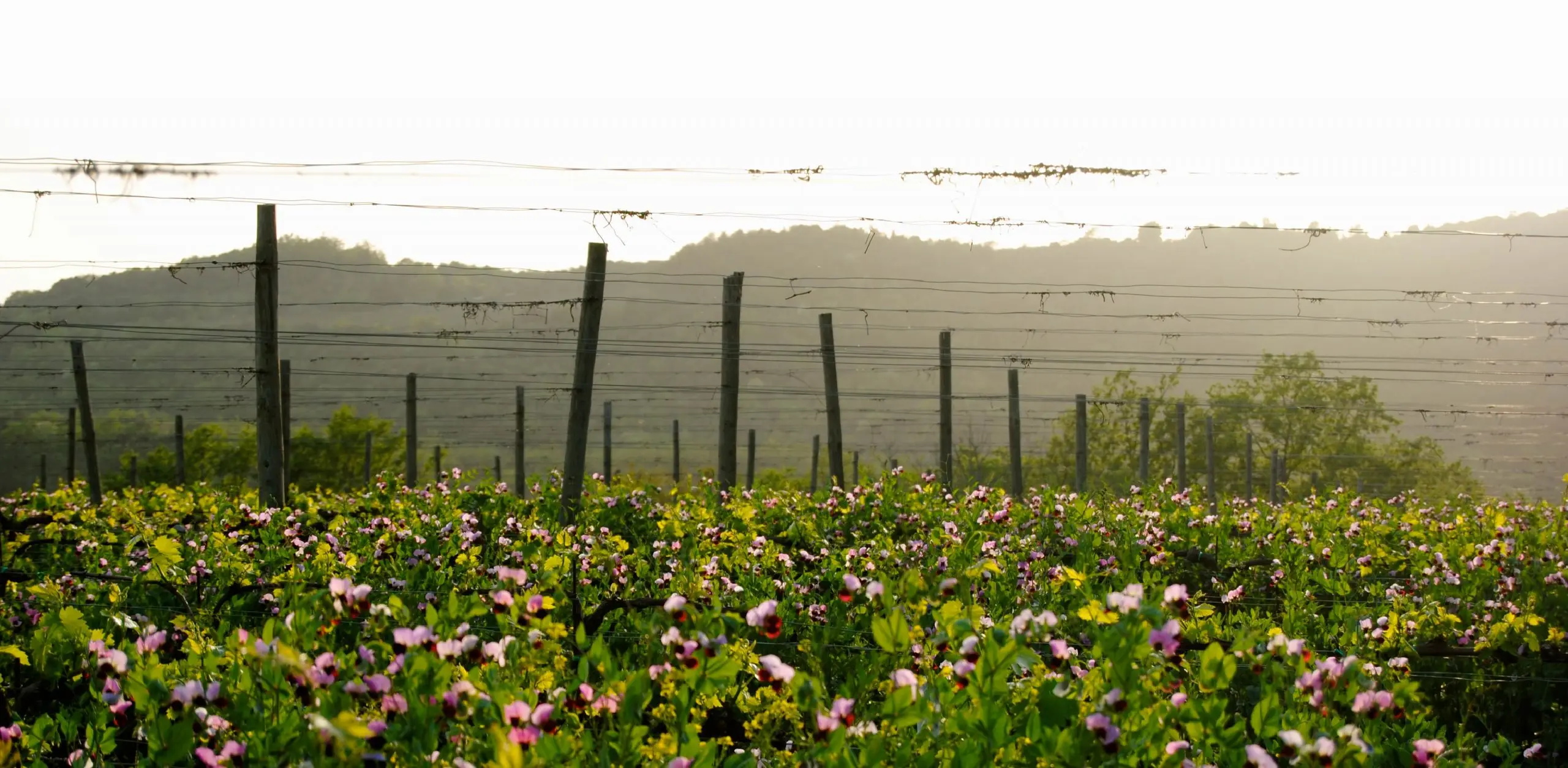
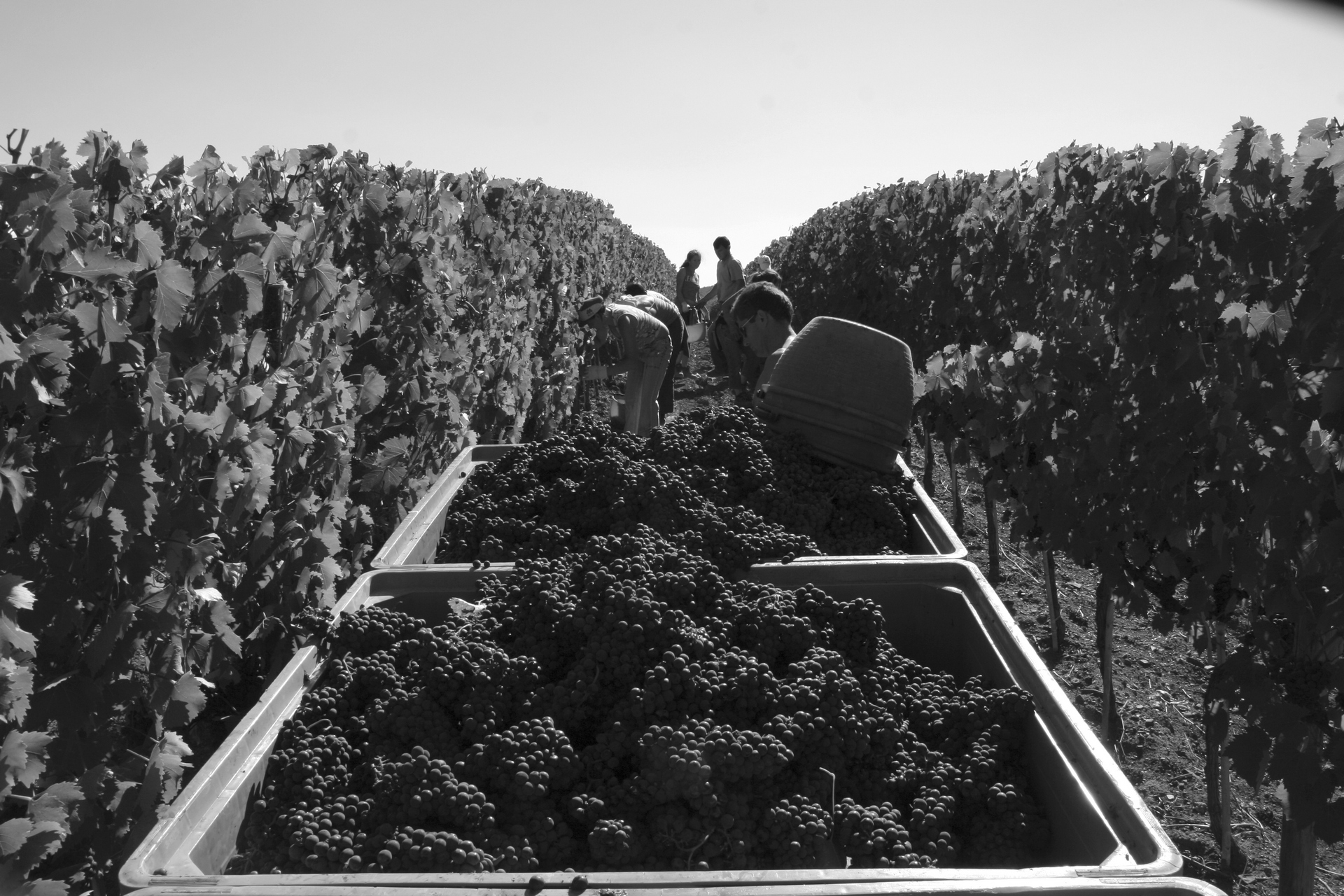
Integrity towards sustainable choices that respect biodiversity a unique landscape in the world and guarantee the continuity of production for future generations. Selection because quality is achieved in the vineyard through careful thinning and classification of the best bunches and punctuality of interventions. Only by selecting times and methods can the perfection of a fruit which, in the winery, will continue its journey towards excellent wines.

Working in the winery means enhancing the potential of the landscape, expressing the characteristics already present in nature, and improving the diversity of the terroirs, supporting the natural predisposition of the initial grape variety. It means Connecting material and spirit, preserving their purity and quality, intensifying its expression, with lightness.

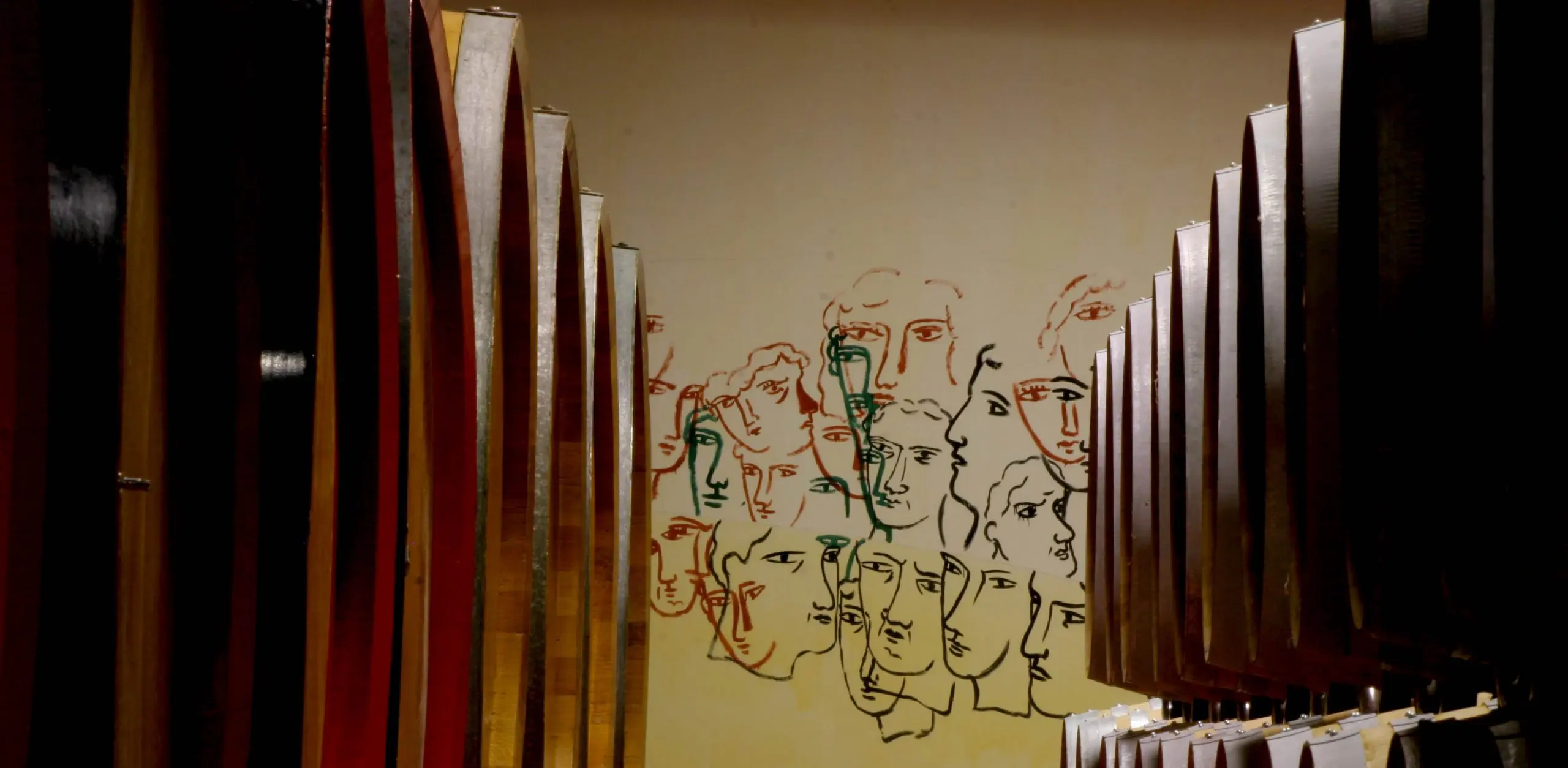
Castello Romitorio uses a delicate combination of large barrels and French oak for their wines. Long and patient aging in which the wood is never the protagonist, but plays a supporting role in the evolution of wine. The refinement in the barrel is followed by the necessary rest in the bottle, which far exceeds the times dictated by the specification.

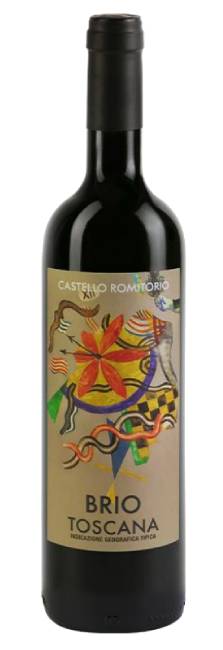
BRIO TOSCANA
IGT 2024

Brio is a vibrant expression of Sangiovese from the coastal vineyards of Castello Romitorio in southern Tuscany, where the proximity to the Tyrrhenian Sea and the mineral-rich soils contribute to the wine's freshness and aroma.

The vineyards are cultivated with special attention to sun exposure and natural ventilation, allowing for optimal ripening and preserving the grapes' natural acidity. The harvest is done by hand, generally between late September and early October, to maintain freshness and varietal expression.

Brio is vinified with special care to preserve the purity of the fruit. Fermentation takes place in temperature-controlled tanks, followed by a short maturation period in large oak barrels and further refinement in the bottle before release.

Tuscan Hermitage
IGT 2022

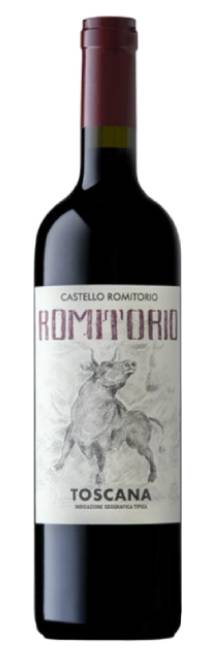
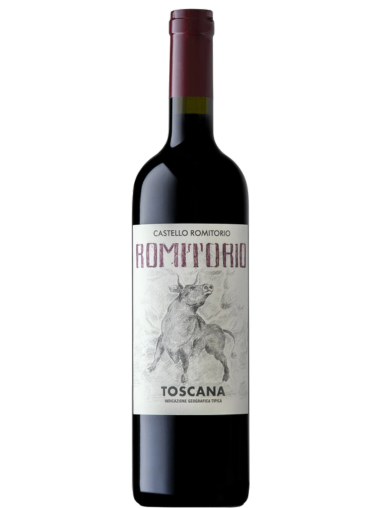
In 1987, Castello Romitorio wasn't yet a winery. It was just a castle, an artist, and an idea. Sandro Chia bought grapes from his friend and master winemaker Franco Martini and commissioned the first winemaking, even before a single one of his own vines had ripened. That was Romitorio: not a reaction, but an attitude. Today, it's cultivated at Tenuta Ghiaccio Forte in Scansano, 25 kilometers from the Tyrrhenian Sea, at an altitude of 170 meters.

ROMITORIO is a coastal Super Tuscan wine appreciated by those seeking a balanced blend with distinctive character and excellent drinkability.

First produced in the 2008 vintage as a blend mainly of Petit Verdot, Syrah and Sangiovese, it has been labelled under various names: Il Toro, RomiToro, R. and now ROMITORIO being the wine that represents the name of the Winery.

COLTO ROSSO DI MONTALCINO
DOCG 2021

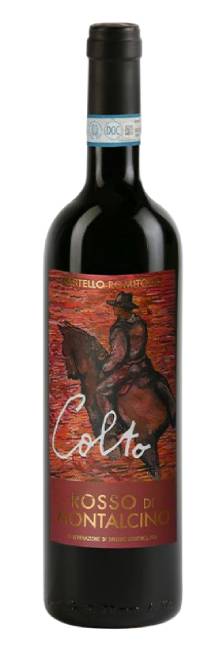
After years of great care and work in our vineyards, Castello Romitorio has launched a new Rosso di Montalcino from the 2020 vintage called Colto.

A brilliant and vibrant wine with great aging potential, Colto comes from young, vigorous vines planted deep within the pristine forests northwest of Montalcino. Produced in very limited quantities (only 6,000 bottles), the wine ages in our cellar for 6 months in French oak barrels, 6 months in cement tanks, and 6 months in the bottle before release.

Colto is a magnificent expression of the Sangiovese grape, typical of the cooler climate of the northwest of the region.

BRUNELLO DI MONTALCINO
DOCG 2021

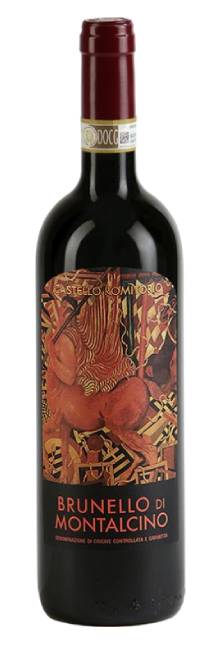
Castello Romitorio Brunello di Montalcino is our flagship wine, reflecting over 30 years of working in harmony with nature in Montalcino. The estate features both new and old Sangiovese vines in the highlands northwest of Montalcino. The Sangiovese grapes are carefully harvested and hand-sorted on the sorting table before and after destemming. Fermentation takes place in stainless steel tanks with a short initial cold maceration (below 20°C) with the skins for approximately 15-20 hours. This is followed by maceration for up to 20 days at a higher, controlled temperature. Malolactic fermentation, which occurs naturally, lasts for about 10 days, before the wine settles to separate the lees.

In 2021, Filippo decided not to produce Brunello Riserva. Therefore, the grapes from the seven plots—vineyards located between 200 and 450 meters—were entirely dedicated to the 2021 vintage.

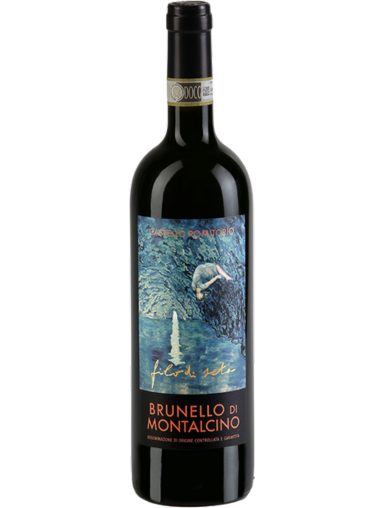
FILO DI MUSHROOM BRUNELLO DI MONTALCINO DOCG 2021

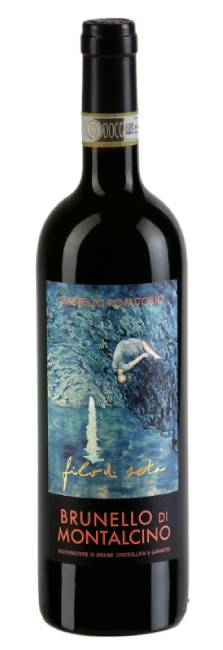
This is a wine whose label speaks for itself. Filo di Seta is adorned with an oil painting by Sandro Chia from the early 1980s, now housed in the Stedelijk Museum in Amsterdam. It depicts a woman performing a back dive inside the Grotta di Azzurra on the island of Capri. This image represents Mother Nature, the cave the womb… where life is born. Here the seed is planted. The water represents the power of Mother Nature, and the woman performing the dive, the powerful and endless cycle of nature.

The name comes from a stream. Filo di Seta —silk thread— is the name of the stream that flows through the virgin forests surrounding the castle and passes by the only vineyard from which this wine originates.

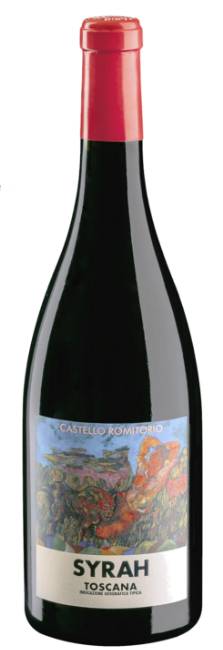
SYRAH TUSCANY
IGT 2021

This wine is accompanied by the artwork "Leave the Artist Alone," a tribute to the artist's dedication to their craft and exploration. Like artists, winemakers need time, inspiration, and imagination. To cultivate their art, both the artist and the winemaker need a quiet and secure place, far from the hustle and bustle of the outside world. In viticulture, the combination of these elements leads the producer to continually experiment, introducing new grape varieties, new clones, new plantings, and, after much work, new wines. The Syrah is nothing less than the fruit of 20 years of artistic research and a moment of sudden inspiration.

The Syrah from Castello Romitorio is born from the desire to produce a pure and vibrant wine that reflects the rich tradition of Tuscan viticulture and the unique terroir of the Maremma region. The soil is composed of red clay on the surface and, in deeper layers, a layer of rounded stones. On this river plateau, the currents come from both the sea and the mountains, depending on the time of day. The climate is warm during the day, but enjoys optimal diurnal and nocturnal temperature variations: during the day, the sea breeze moderates the heat, and in the evening, a cool, damp wind descends from the hills. The grapes ripen while maintaining a natural acidity and an elegant, slender, and energetic structure, without losing complexity or persistence.

Carefully planted by the Chia family, the vineyard occupies a unique landscape, ideal for the production of this rare, naturally low-yielding grape variety: a natural canyon that unites water and fire, sea and mountain, connecting Mount Amiata with the Tuscan archipelago. Around the vineyards, the Mediterranean scrubland teems with aromatic and medicinal plants: thyme, wild sage, plum, wild pear, Etruscan santolina, broom, and wildflowers.

Hand-harvested and vinified in Montalcino, the grapes receive meticulous care in our cellars before being bottled and aged in Castello Romitorio.

Tenuta GhiaccioForte

History

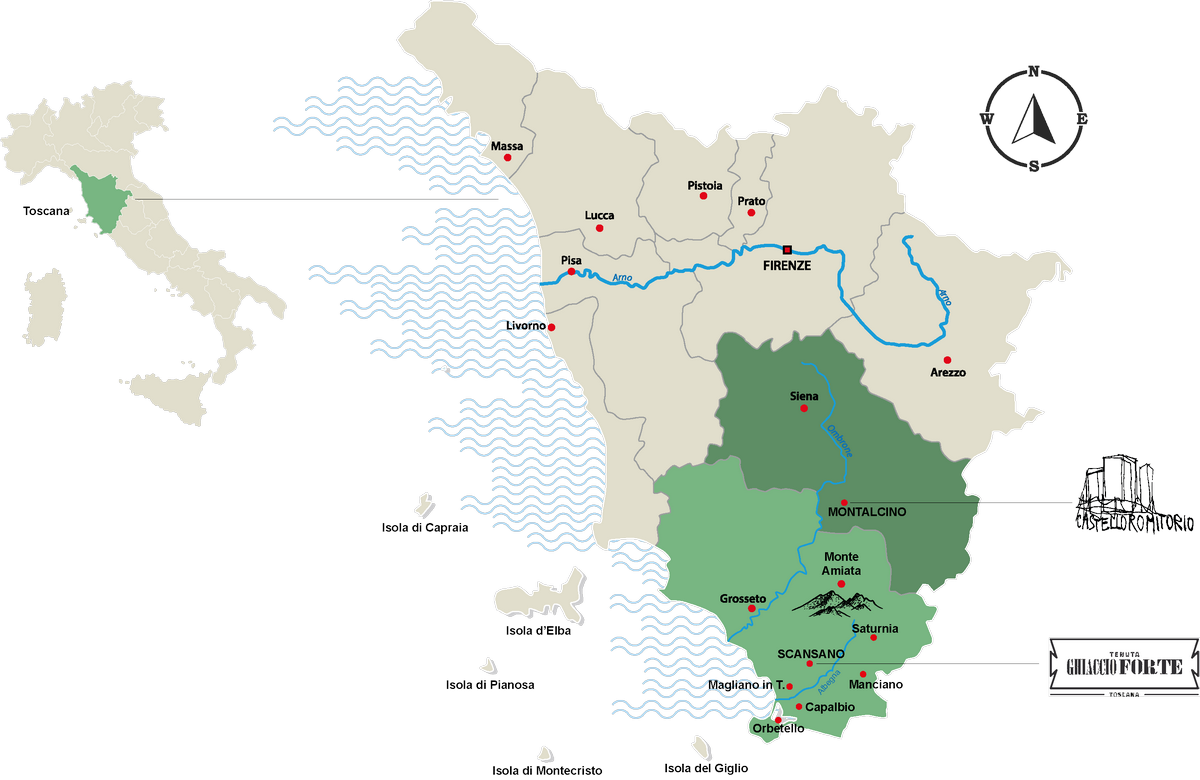
Tenuta GhiaccioForte is a leading property in Scansano located within the Maremma coastal region of Tuscany. Founded by sculptor Sandro Chia, it is now run by his son Filippo Chia. The estate currently produces two wines, GhiaccioForte, Morellino di Scansano DOCG and Ripaforte, Toscana IGT. The estate also produces Syrah and Petit Verdot destined for the production of Castello Romitorio's RomiToro.

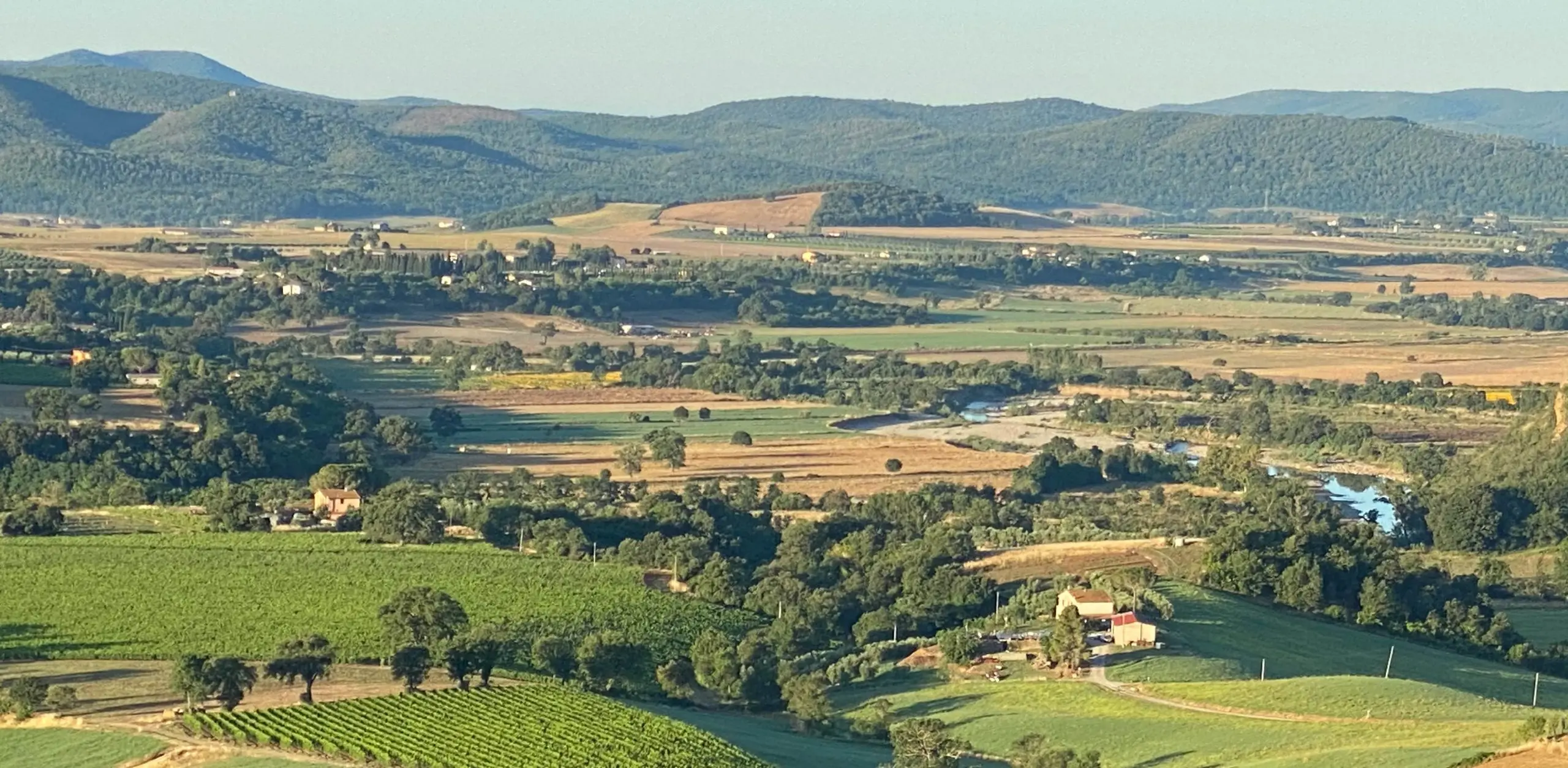
The vineyards are owned by the winery and are located at the top of Aquilaia and along the banks of the Albegna River in the south of Scansano. Planting was carried out in two phases from 1999-2001 using local Sangiovese clones. The same happened with Petit Verdot and Syrah, and a small part of Cabernet Sauvignon. The second planting was carried out in 2006 with Petit Verdot and Syrah and new clones of Sangiovese. The estate currently has 12 hectares of Morellino di Scansano and almost 20 hectares of total vineyards. It is located adjacent to the remains of the Etruscan fortified city of GhiaccioForte, a national park, from which the winery takes its name.

The name GhiaccioForte translates to "Fort Ice." This area was settled since at least 500 BC and was once home to a flourishing Etruscan city whose remains are located less than a kilometer from the winery.

No posts were found for provided query parameters.

“Art and the vineyard live on evaluations, sometimes minimal, others… imperceptible. It is our task: to improve these details, to turn them into absolutes.”

SANDRO CHIA

“Working the vineyard is like working on yourself: you always start from what is there, from what exists, not to change it, but to improve its uniqueness, its place in the world”

SANDRO CHIA