What stands out in Fumey-Chatelain is the remarkable balance between tradition and modernity.

The adventure began in the mid-80s, when Raphaël Fumey (Stéphane Tissot's cousin) and Adeline Chatelain decided to take care of some family vineyards, selling their grapes to the local cooperative. In 1991, a turning point occurred: a devastating spring frost destroyed almost 95% of the vineyard. Adeline and Raphaël decided to vinify the little fruit that nature had allowed them. They quickly developed a taste for it and organized themselves to produce and age some cuvées, borrowing barrels, tanks, a press, and, above all, cellar space from a group of neighboring winegrowers and friends.
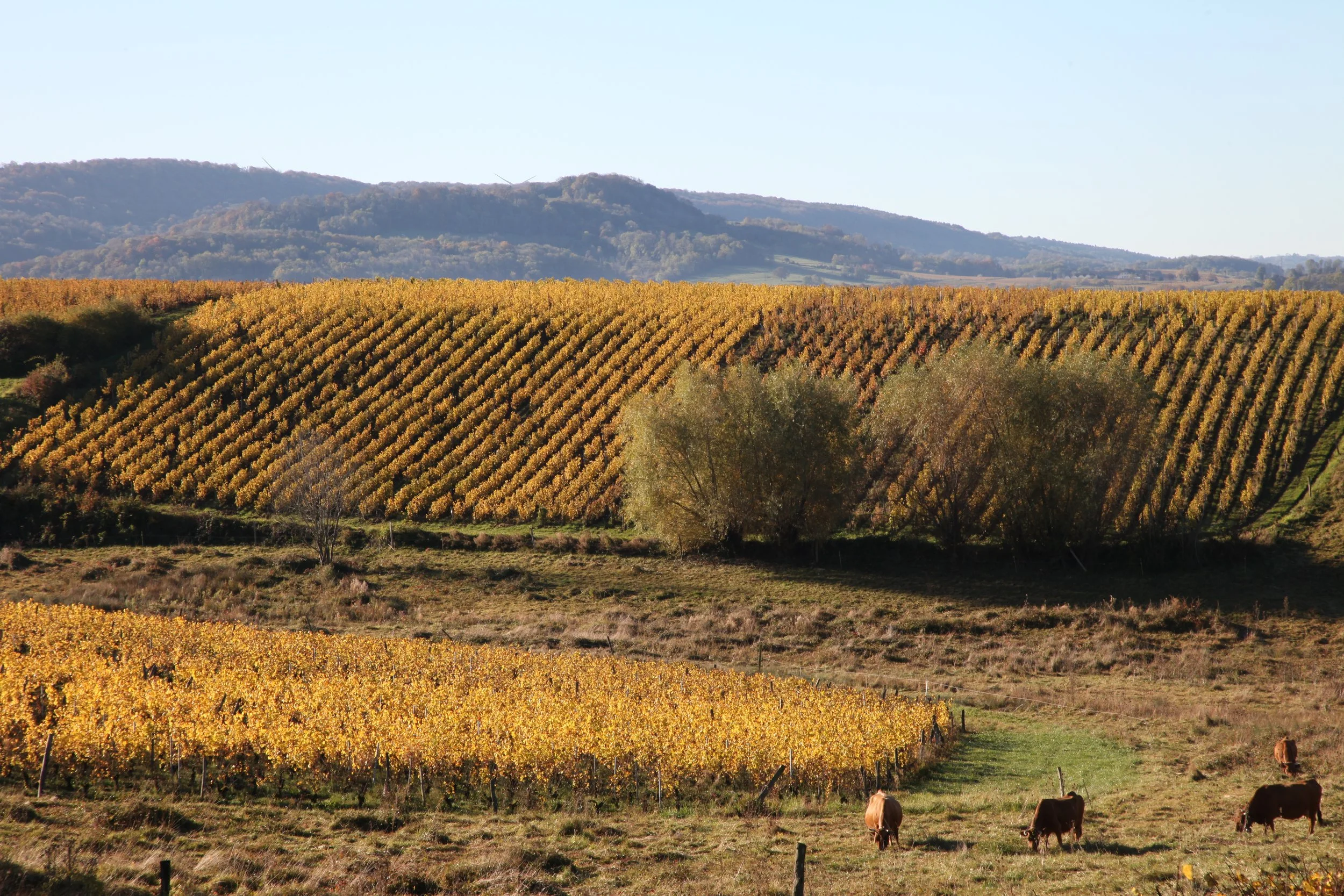
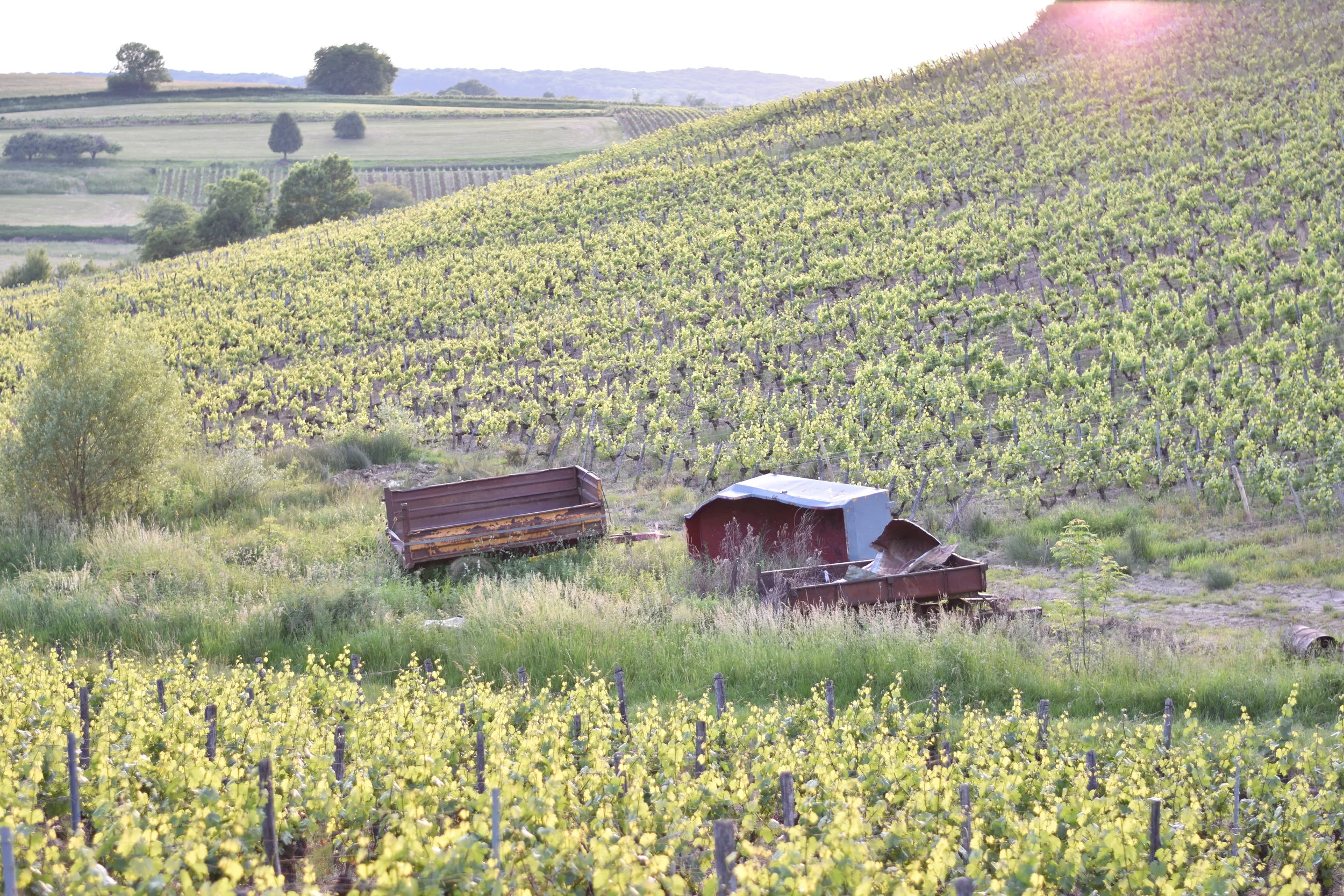
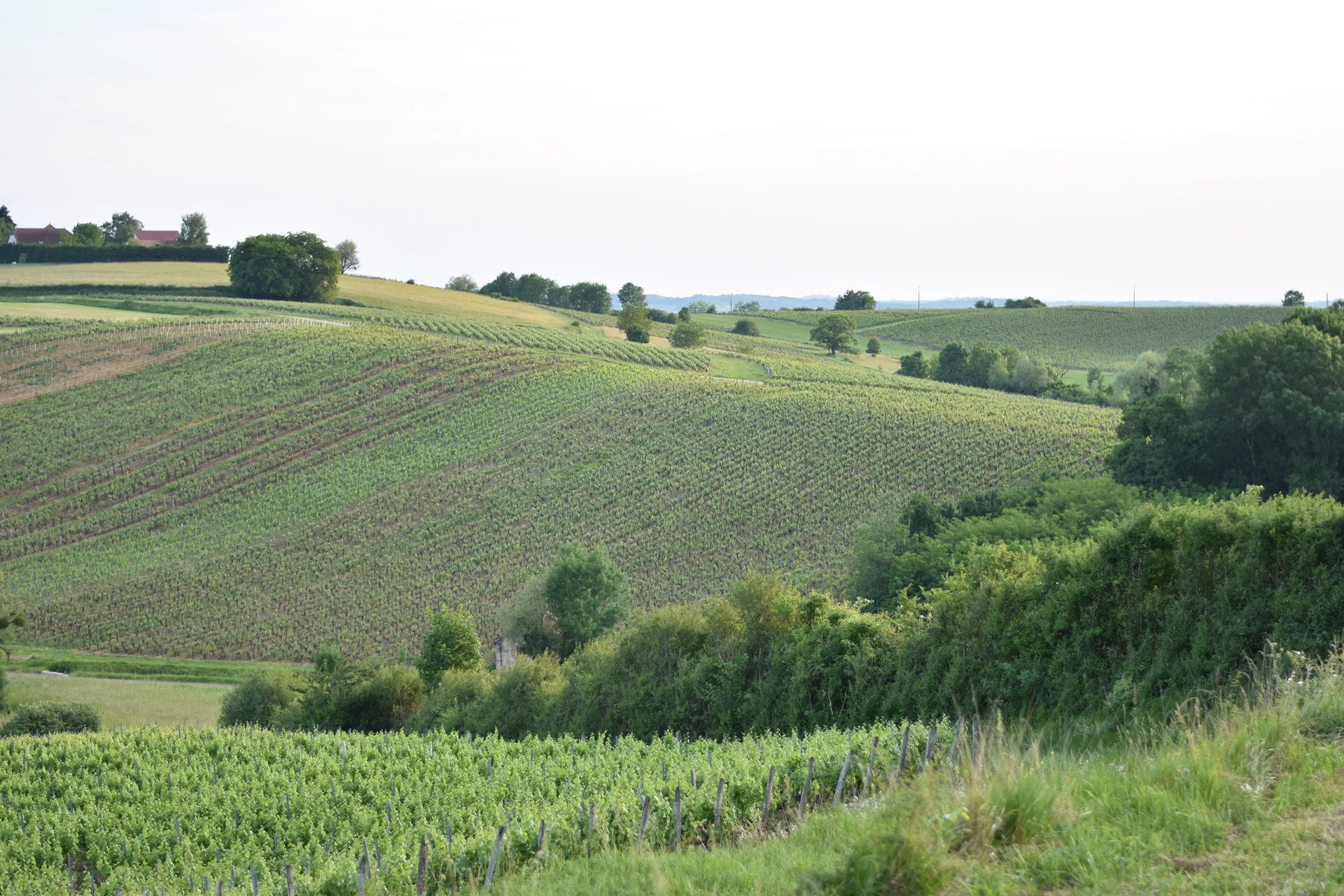
A new chapter opened in 1999, When they acquired an old farmhouse in Montigny-les-Arsures, a village known to Jura wine lovers as the birthplace of the Tissot family, one of the region's great names, the couple dedicated all their energy to restoring the building, its outbuildings, and its cellars, which would become Domaine Fumey-Chatelain. Since then, the estate has grown to encompass 17 hectares of vineyards spread across twenty plots with their own names and just as many different terroirs in the surroundings of Montigny-les-Arsures, Les Arsures and Arbois. The estate boasts a magnificent heritage of old vines, many of them from massal selections planted in the 1950s and 1960s. Throughout the 2000s and 2010s, Fumey-Chatelain wines gained an excellent reputation among a mostly local clientele.

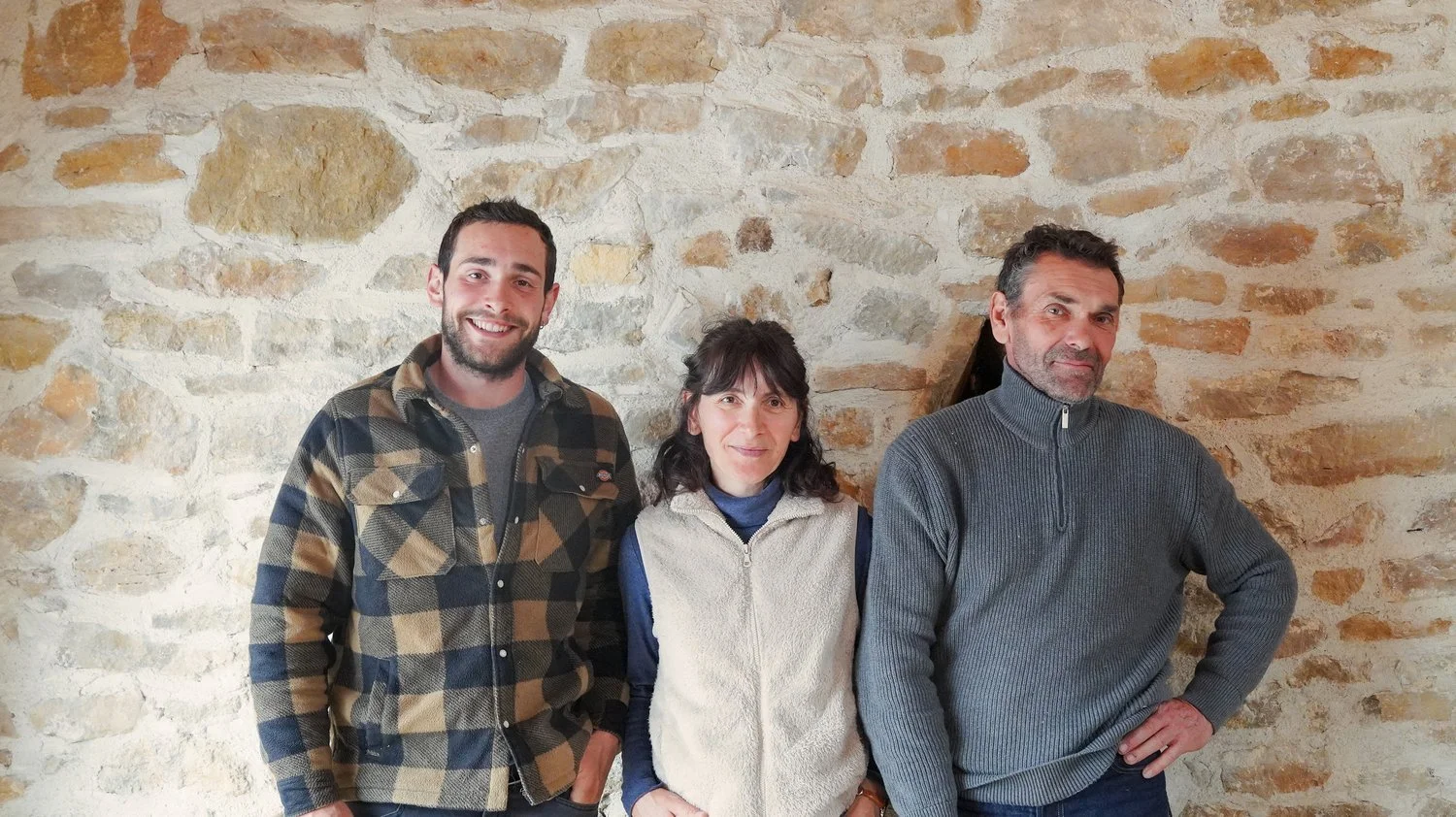
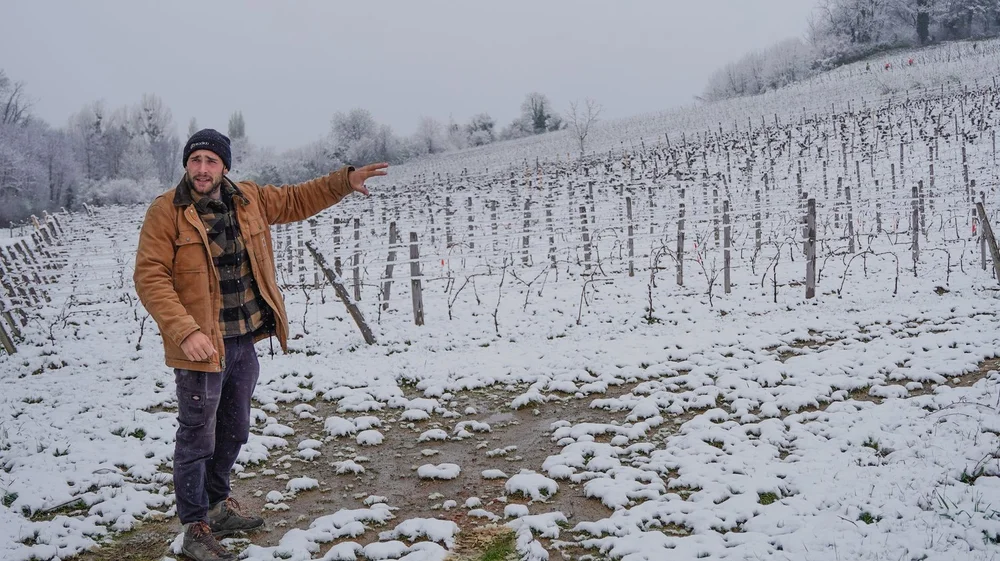
Around 2020, the estate entered a new stage under the influence of Marin, son of Adeline and Raphaël, who quickly demonstrated exceptional skill as a winemaker and vineyard man, deeply attached to the combination of marl and limestone soils that give the Jura its unique richness and diversity. After studying agronomy in the Jura and completing a viticulture and oenology program in the Mâconnais, Marin began making wine with his father in 2015. During the off-season, he spent several winters working in prestigious vineyards in the southern hemisphere, exploring other terroirs, grape varieties, and methods. For five years, he perfected his art on renowned estates, From Australia's Barossa Valley to the slopes of Central Otago in New Zealand and South Africa, his experiences have provided him with great technical rigor and a keen sense of precision—qualities sometimes lacking in the Jura region, where some winemakers prefer a more original approach.

Marin finally settled into the family winery in 2020, during the first lockdown. He quickly contributed new ideas, which his parents enthusiastically embraced. Determined to honor the purity of the fruit in the winery and to orient winemaking towards the most natural approach possible, he understood that the essential work had to begin in the vineyard. He initiated the organic conversion of all the estate's plots, certified with the 2023 vintage. At the same time, he adopted certain biodynamic practices—pragmatically and without dogma—after observing their benefits for soil vitality and vine resilience. Gradually, he introduced delicate manual soil work to avoid compaction, adjusted soil management and pruning to preserve sap flow and better control yield, and He perfected the management of the plant cover with careful shoot thinning, occasional green harvests, reduced topping, and the application of vine shoots. Each change sought to respect the living ecosystem, the identity of each terroir, and the message that the fruit would ultimately convey.

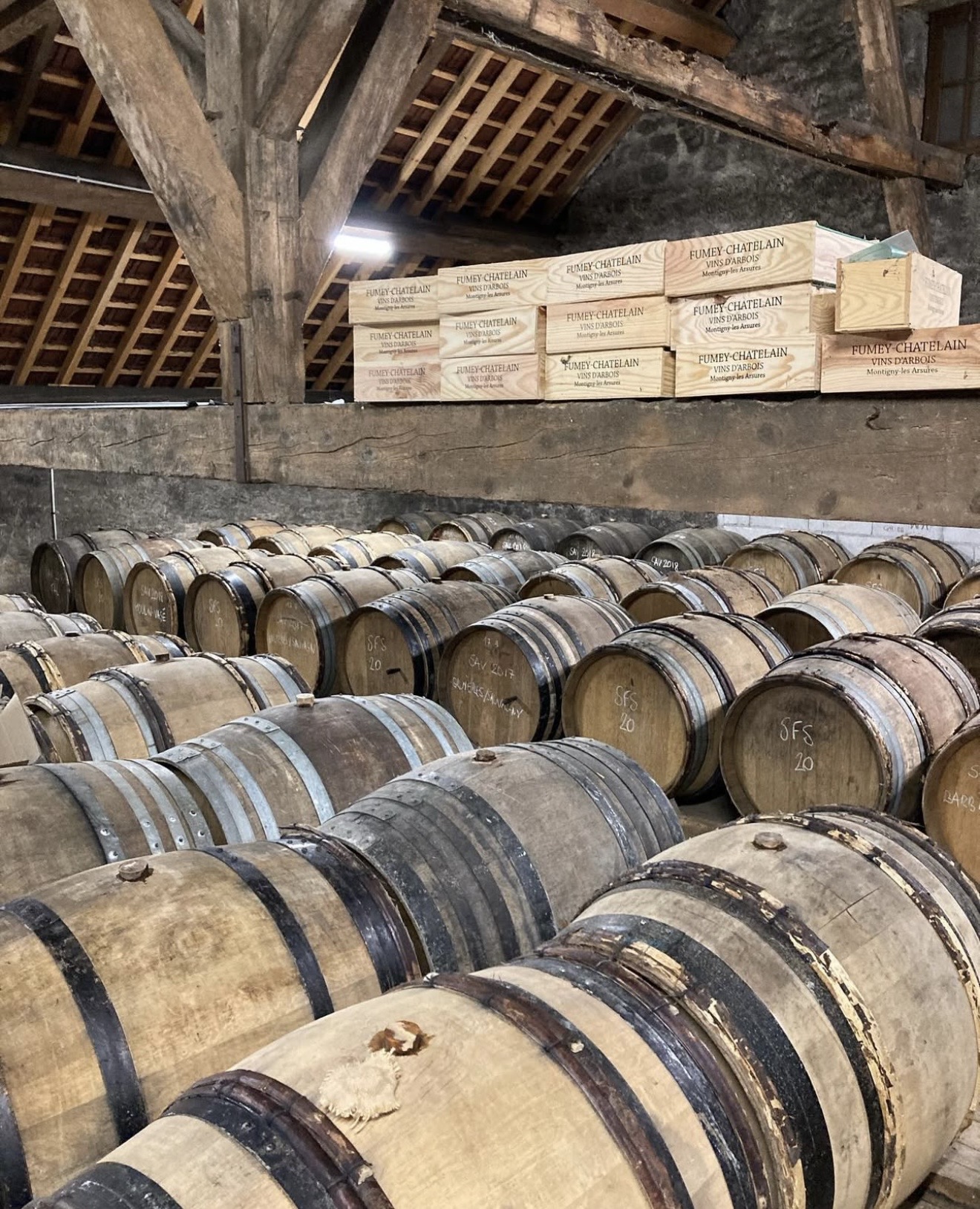
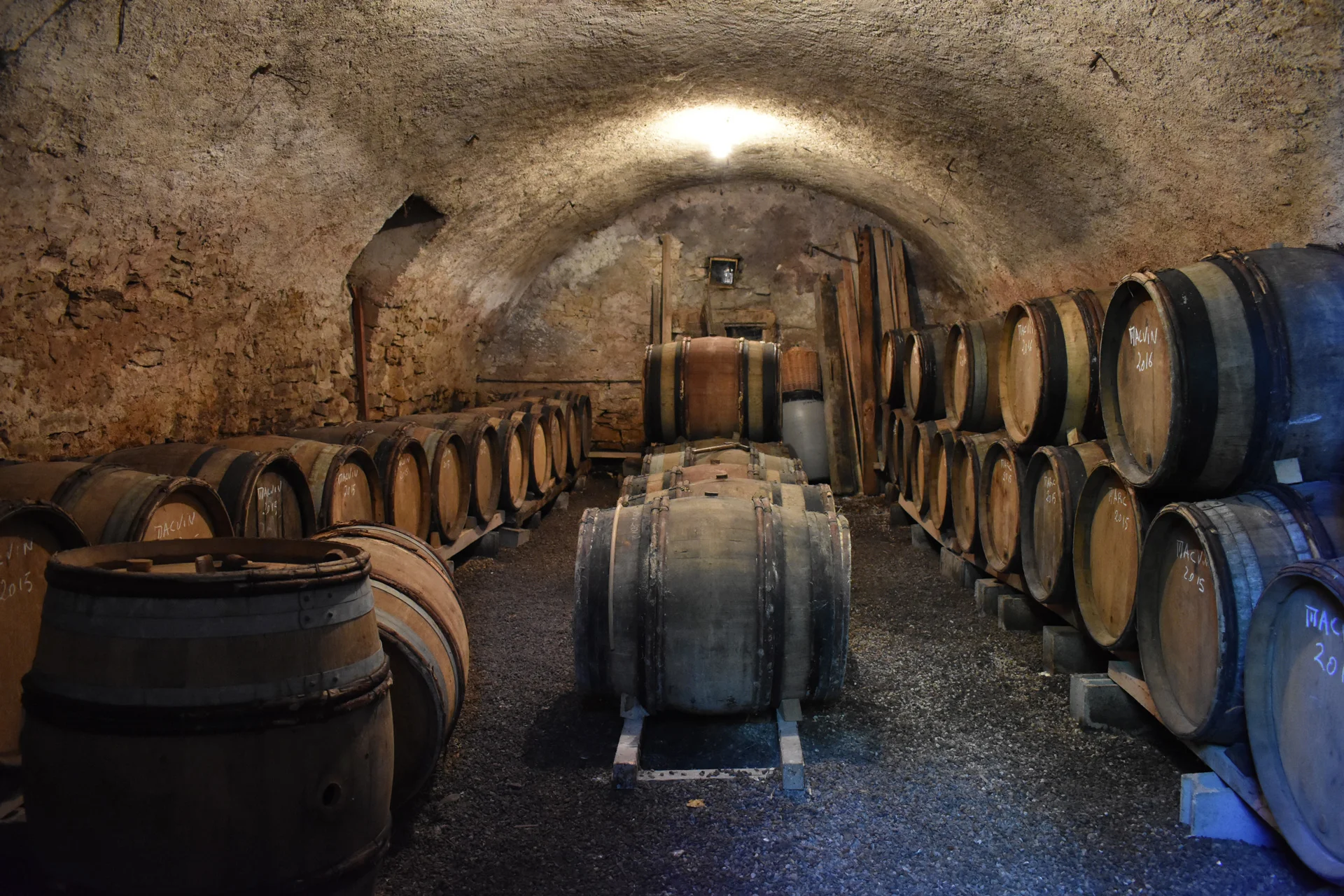
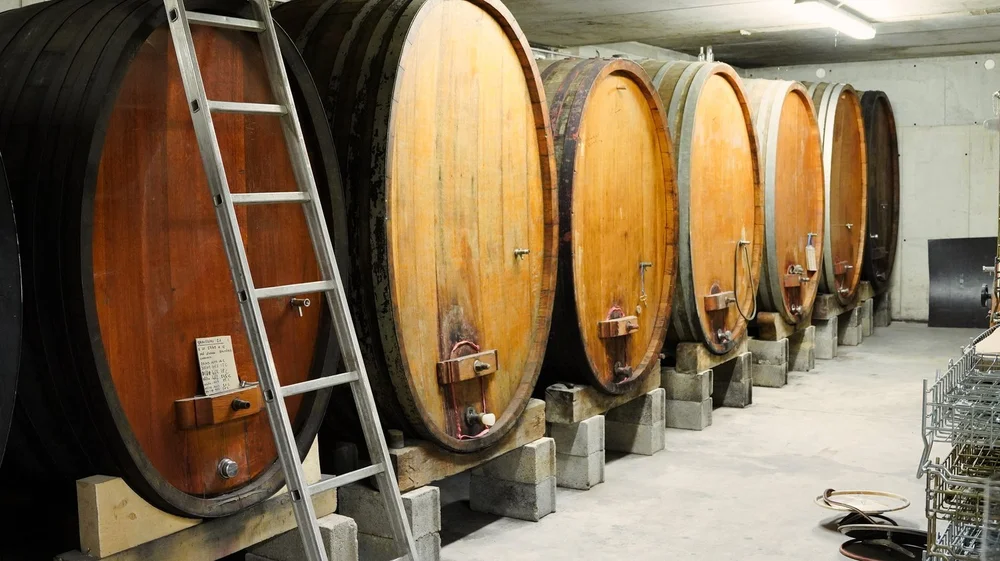
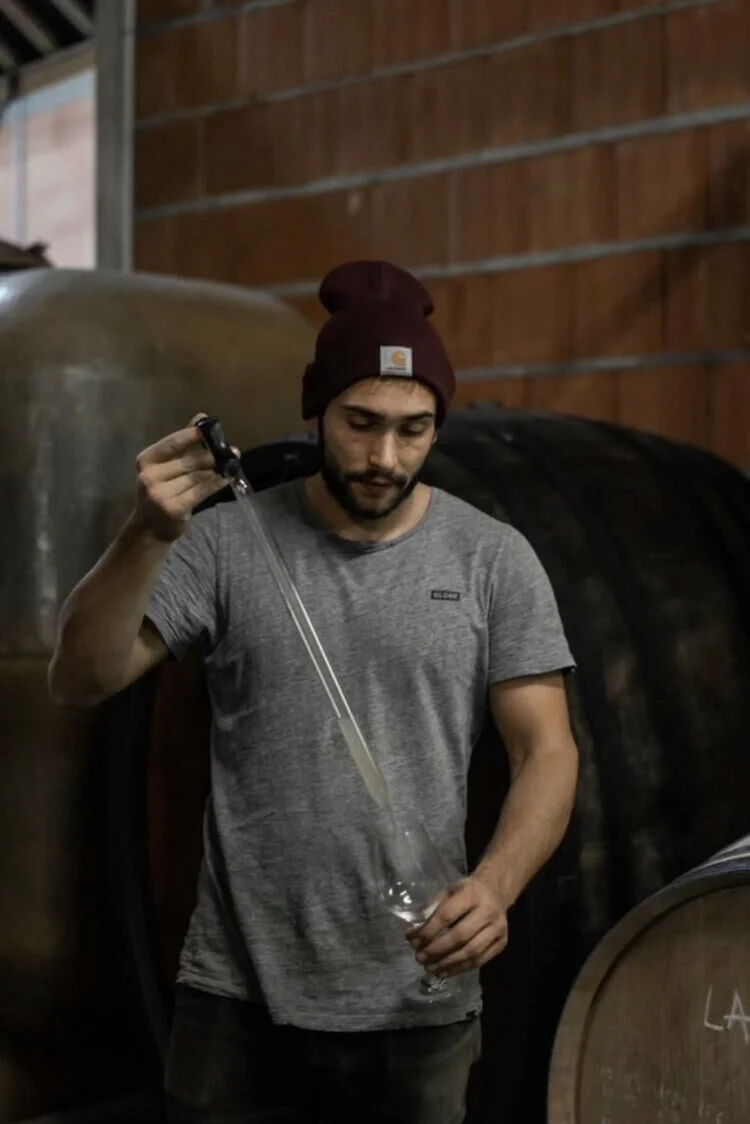
The next logical step in this meticulous work in the vineyard was to develop single-plot vinifications and create new cuvées specific to each site. In 2020, the family acquired the adjacent historic vaulted cellars, which had been vacated by a neighbor. This allowed Marin to expand the range and extend aging, whether for whites (Chardonnay or Savagnin) or reds (Ploussard, Trousseau, or Pinot Noir), for aged wines or wines matured under a veil of flor, for sparkling wines, or vin de paille. At the same time, Marin strove to minimize inputs in the winery: only indigenous yeasts ferment in the foudres, barrels, or concrete eggs. The use of sulfur is strictly limited—often removed during vinification and applied only in minimal doses during racking and, primarily, at bottling—to to capture the crisp texture and pure expression of the fruit.

What stands out in Fumey-Chatelain is the remarkable balance between tradition and modernity, between freedom and precision. When tasting the wines, everything seems natural, leaving nothing to chance to reveal the truth of the fruit and the character of the place where it was born. The entire range of whites is a delight: elegant, intense, and vibrantly fresh. We love the pure energy of the fruit, its perfectly preserved crispness, the authentic and fine imprint of the soils and that sparkling acidity so typical of the great marl terroirs. The balance is impeccable, the freshness unmistakable.

We are pleased to share this discovery. Marin Fumey It is, without a doubt, a Rising star of the fascinating Jura, a region full of diversity and authentic gems.

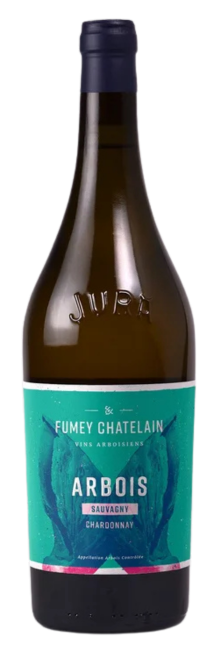
CHARDONNAY SAUVAGNY 2023

Intense and precise, with pronounced mineral nuances and a vibrant freshness that invites the palate. Citrus notes enhance the palate, offering a serious Chardonnay with excellent aging potential.

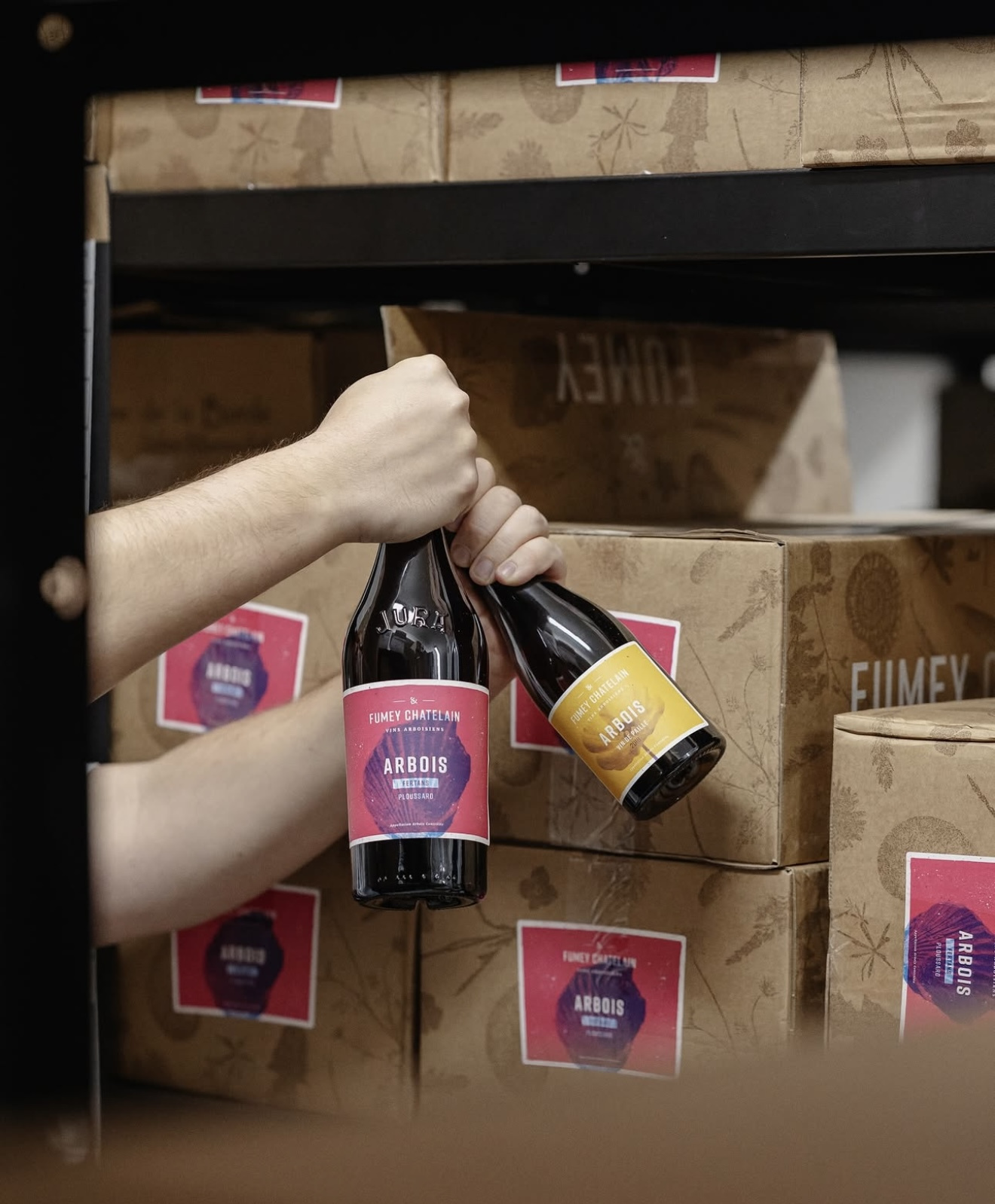
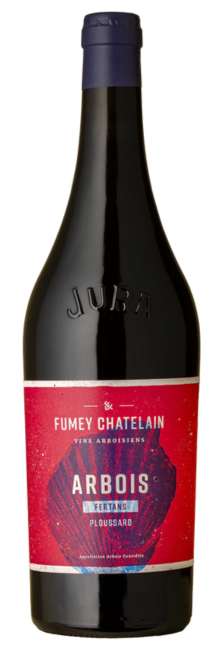
FERTANS PLOUSSARD 2023

It's a fluid red wine with concentrated aromas of red fruit, floral notes, and hints of spice. On the palate, it's light, earthy, and fruity. A fun wine with vibrant acidity, soft tannins, and a long finish with mineral undertones.

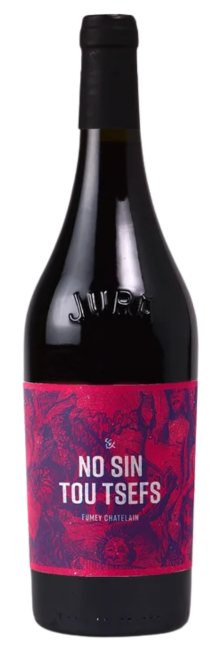
NO SIN TOU TSEFS 2023

A subtle blend of three Jura grape varieties, selected for their complementary qualities: Pinot Noir for its substance, Trousseau for its spiciness, and Ploussard for its elegance. The color is pale, and the nose unfolds with notes of tart cherry, red currant, and a hint of undergrowth. On the palate, the wine glides effortlessly, with soft tannins, a refreshing crispness, and a subtle salinity. A true journey through the versatility of the Jura, a free spirit.

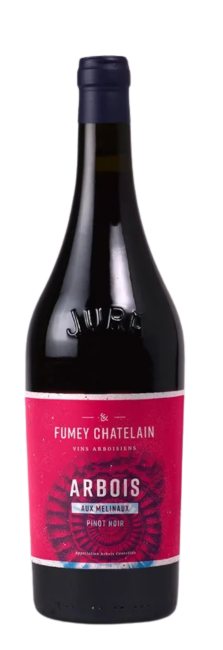
PINOT NOIR AUX MELINAUX 2022

The Fumey Chatelain Arbois Aux Melinaux Pinot Noir is a very special wine that showcases the elegance and finesse of the renowned Pinot Noir variety. Originating from the Arbois region, this wine boasts a vibrant red color that captures the essence of its terroir. On the palate, it reveals a harmonious combination of fruit flavors, balanced acidity, delicate tannins, and a pleasant dryness. This Pinot Noir embodies the essence of Arbois, offering a sophisticated sensory experience.

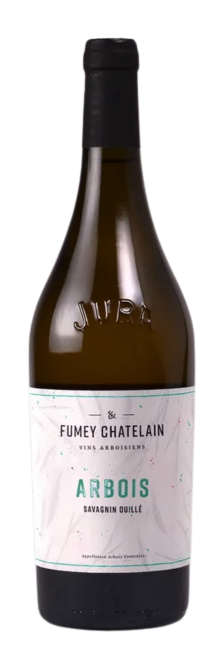
SAVAGNIN OUILLIE 2023

This Savagnin focuses on purity, precision, and elegance. A vibrant and aromatic nose with floral and citrus notes, especially lemon and white grapefruit, and a pronounced mineral character. On the palate, a fresh and lively attack, with refreshing acidity and a saline finish, without oxidation.

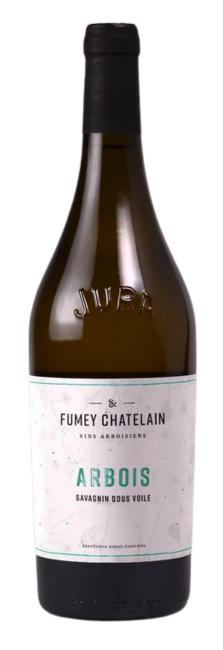
SAVAGNIN SOUS VOILE 2019

It is made using a veil of yeast aging process, in which the wine is left to mature in oak barrels without contact with air, creating a layer of yeast on the surface that protects the wine and develops complex flavors. The wine spends three years under this veil, which imparts a controlled oxidation that adds complexity. It has notes of green apple, almond paste, lemon, lime, walnut, and hazelnut. It boasts a full-bodied texture, lively acidity, a saline and appealing palate, and a long, lingering finish.

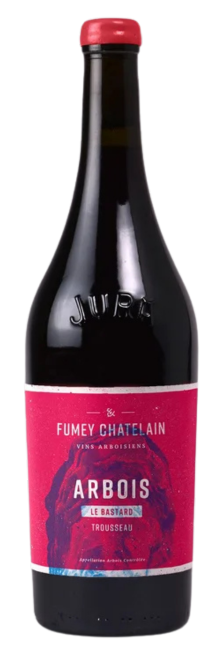
TROUSSEAU LE BASTARD 2023

Notes of prunes and candied fruit, with hints of smoke and raisins. On the palate it is solid, warm and powerful, with pleasantly dense tannins and a smooth texture, enhanced by a refreshing and structuring acidity.

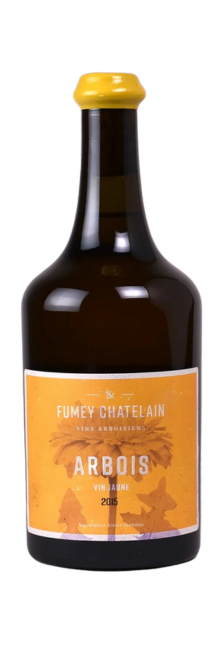
VIN JAUNE 2017

This wine, aged under a veil of flor for six years, comes from our oldest vines in Savagnin, on the marl soils of the Jura. A complex and aromatic Vin Jaune, with intense notes of toasted almond, green apple, and dried citrus peel. Hints of smoky peat, hazelnut, and subtle floral nuances add depth and intrigue. On the palate, it is saline, vibrant, and structured, with a long, concentrated finish that balances freshness and richness.